


Heating Service in Metro West, FL



Keeping your home comfortable in Metro West, FL means more than beating the occasional cool night — it means having a dependable heating system that runs safely, efficiently, and quietly when you need it. Our heating service covers comprehensive system diagnostics, routine servicing and safety inspections, filter and component checks, preventive maintenance tasks, and service agreement options tailored to local needs.
Why heating service matters in Metro West, FL
Even though Central Florida winters are milder than northern climates, heating systems here still work hard during cool snaps and overnight lows. Many Metro West homes use heat pumps rather than gas furnaces; heat pumps both heat and cool, so year-round maintenance prevents seasonal failures and preserves efficiency. Humidity, salt air exposure in coastal areas, and frequent on-off cycling driven by variable nighttime temperatures make scheduled service essential to avoid breakdowns and to keep energy costs under control.
Common heating issues in Metro West, FL
- Uneven heating or cold rooms caused by airflow restrictions, duct leaks, or improperly sized equipment
- Short cycling where the system turns on and off frequently, indicating thermostat, airflow, or refrigerant issues
- Weak airflow from vents due to clogged filters, dirty blower wheels, or restricted ductwork
- Heat pump-specific problems like failed defrost cycles, reversing valve issues, or low refrigerant
- Unusual noises such as grinding, rattling, or high-pitched squeals from motors, bearings, or loose components
- Safety concerns including cracked heat exchangers (in gas systems), carbon monoxide risks, or electrical faults
What a full system diagnostic includes
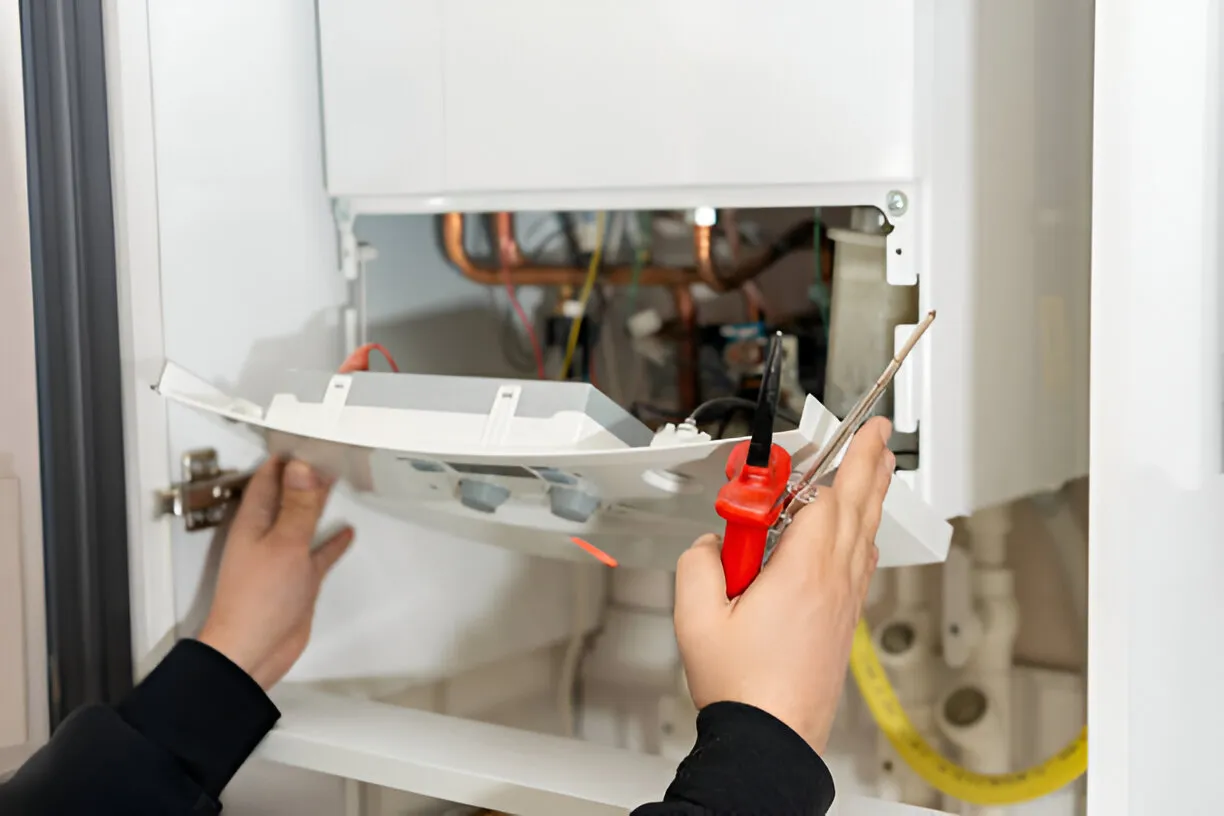
A thorough diagnostic isolates the root cause rather than treating symptoms. Typical diagnostic steps for heating systems in Metro West include:
- Interview and symptom review with the homeowner to document when and how the issue occurs
- Visual inspection of the outdoor unit, indoor air handler, ductwork, and thermostat location
- Safety inspection: combustion chamber and heat exchanger check for cracks (gas systems), carbon monoxide screening when applicable, and venting condition review
- Electrical testing of controls, fuses, contactors, capacitors, and motor amperage
- Airflow and static pressure checks to identify duct or blower problems
- Refrigerant pressure and refrigerant leak detection for heat pumps and split systems
- Thermostat calibration and wiring verification
- Component testing: burners/ignition on gas systems, reversing valve and defrost controls on heat pumps, blower motor and fan operation
Diagnostics are documented so homeowners understand the condition of the system, immediate safety concerns, and recommended repairs or maintenance.
Routine servicing and preventive care tasks
Regular maintenance prevents small issues from becoming costly failures and keeps systems running at peak efficiency. Standard preventive tasks performed during a tune-up include:
- Replace or inspect air filters, and recommend appropriate MERV ratings for the home
- Clean and inspect evaporator and condenser coils to restore heat transfer efficiency
- Clean and lubricate motors, bearings, and moving parts as required by the equipment manufacturer
- Inspect and clean condensate drains and pans to prevent blockages and microbial growth
- Tighten electrical connections and test capacitors, relays, and contactors
- Verify thermostat programming and sensor accuracy
- Check ductwork for obvious leaks, disconnected joints, and insulation gaps
- Test safety controls, limit switches, and pressure switches
For Metro West homes that rely on heat pumps year-round, seasonal checks that include reversing valve operation and defrost control inspection are critical to prevent performance drops during cool weather.
Service agreement options and benefits
Service agreements provide prioritized, predictable care for your system and are especially valuable in communities with variable temperatures and high annual usage. Common components of agreements include:
- Scheduled seasonal tune-ups on a set schedule to maintain manufacturer warranty compliance and system efficiency
- Priority scheduling for service visits during peak seasons or weather events
- Waived diagnostic or reduced service fees for covered repairs during the agreement term
- Detailed inspection reports after each visit, with recommendations and estimated timelines for repairs or replacements
- Optional coverage tiers for parts and labor versus maintenance-only plans
Service agreements can be customized to match the age of your equipment, system type (heat pump vs gas furnace), and household comfort priorities.
Typical repair and replacement considerations
When diagnostics reveal failing components or impending system failure, repairs focus on safety and long-term value:
- Replace worn blower motors, failed capacitors, or damaged control boards to restore function and efficiency
- Repair refrigerant leaks and recharge systems only after leak repair and pressure stabilization
- For gas systems, repair or replace cracked heat exchangers, faulty ignition systems, or venting components immediately due to safety implications
- Evaluate cost-effectiveness of major repairs versus replacement when systems are older, inefficient, or experiencing repeated failures
- Recommend properly sized replacements based on home load calculations, duct condition, and desired efficiency gains
Decisions are informed by equipment age, repair history, and the potential energy savings of newer systems well-suited to Metro West climate needs.
Scheduling and what to expect during a service visit
Professional heating service appointments are structured for clarity and minimal disruption:
- Routine maintenance visits typically last 45 to 90 minutes depending on the system and any additional diagnostics needed
- Technicians perform a checklist-driven inspection and provide a written summary of findings and recommended next steps
- Safety issues are addressed immediately with clear explanations of risks and repair options
- For complex repairs, technicians outline parts needed and an estimated timeline to complete work
Appointments can be scheduled to fit homeowner availability, and maintenance plans often include reminders for seasonal tune-ups.
Common homeowner concerns and practical guidance
- My system is noisy: Unusual noises often point to loose panels, failing fan bearings, or motor issues. Tightening fasteners and inspecting motor mounts often resolves the problem; worn bearings may require motor replacement.
- High energy bills: Dirty coils, clogged filters, refrigerant issues, and failing components all increase energy use. Regular maintenance restores efficiency and reduces runtime.
- Uneven heating: Check supply vents, return pathways, and thermostat placement. Closed or obstructed vents, under-insulated ducts, or improperly balanced systems are frequent causes.
- Foul or burning smells: Persistent odors warrant immediate inspection. Musty smells can indicate mold in condensate pans or ducts; burning smells can signal electrical faults and should be evaluated promptly.
- Thermostat confusion: Ensure the thermostat is set to heat, is on a compatible control type for your system, and has fresh batteries if applicable. Thermostat placement away from drafts and sunlight improves accuracy.
When homeowners perform simple checks — filter condition, breaker status, and clear outdoor unit area — they often prevent unnecessary service calls and reduce resolution time for technicians.
Long-term benefits of timely heating service
Regular professional service extends equipment lifespan, preserves warranty coverage, improves indoor comfort, reduces energy consumption, and mitigates safety risks. In Metro West, where systems are used seasonally and face humidity and salt exposure, consistent care pays off through fewer emergency repairs and better overall performance.
Maintenance Plan
Heat Pump/ AC Tune-Up

Furnace Tune-Up
Customer Testimonials