



Heating Service in Orange County, FL



Keeping your home comfortable year-round in Orange County, FL means more than just turning up the thermostat during a cool snap. Professional heating service in Orange County, FL focuses on diagnostics, safety, efficiency, and reliability—especially for heat pumps and gas furnaces that handle Florida’s mild but humid winters.
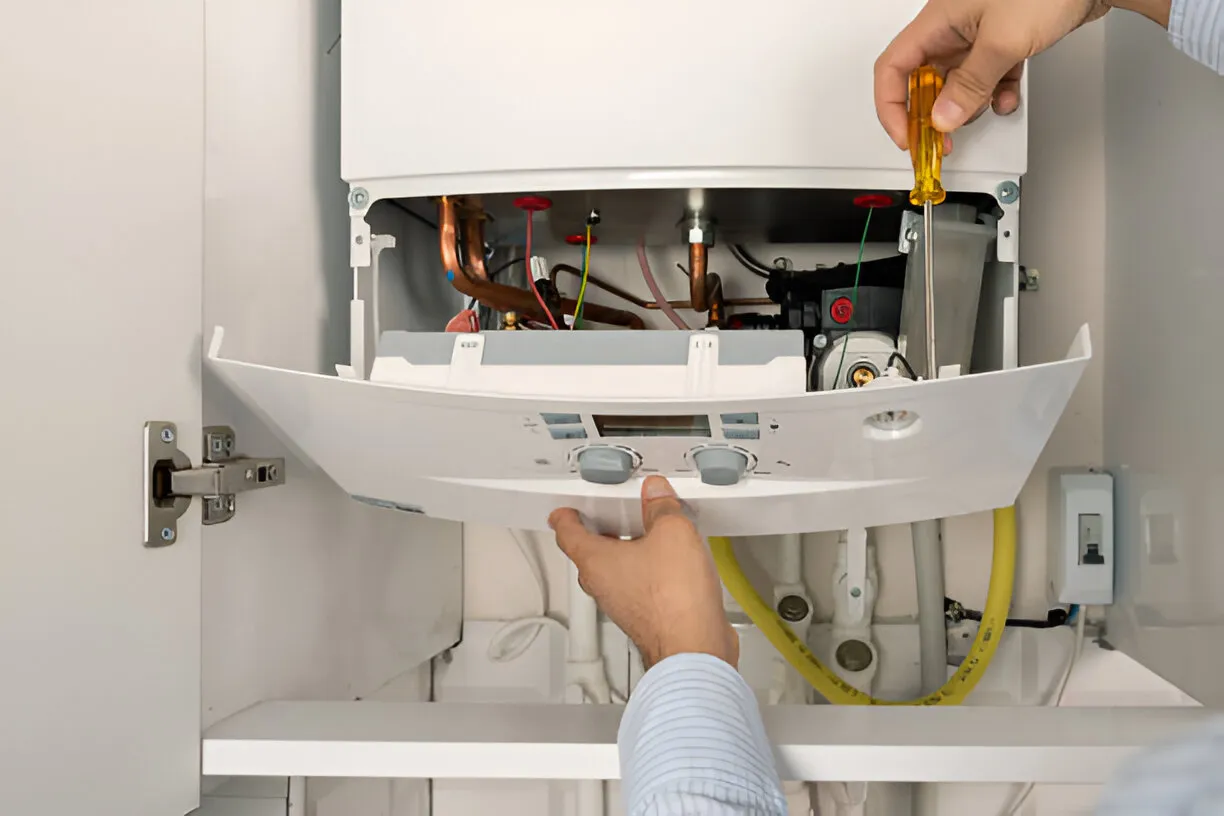
Why heating service matters in Orange County, FL
Even though winters are short and mild in Central Florida, heating systems still face stresses that reduce comfort and lifespan. High humidity, seasonal pollen, and occasional cold fronts increase demand on heat pumps and heating elements. Poorly maintained systems can lead to uneven heat, higher energy bills, and safety risks like carbon monoxide from combustion equipment. Regular service preserves efficiency, prevents emergency breakdowns, and improves indoor air quality—important in Orange County homes where allergies and humidity-driven mold can be issues.
Common heating systems and typical issues in Orange County
- Heat pumps (most common): short-cycling, low refrigerant, defrost cycle problems, noisy compressors, diminished capacity during a cold snap.
- Gas furnaces or gas furnaces paired with heat pumps: ignition failure, clogged burners, pilot/ignition sensor issues, cracked heat exchangers.
- Electric furnaces / resistance heaters: failed heating elements, tripped breakers, thermostat calibration issues.
- Ducted systems: restricted airflow from dirty filters, duct leaks, poorly balanced zones.Common local problems in Orange County, FL include pollen-clogged filters that reduce airflow, high indoor humidity affecting heat pump performance, and corrosion on outdoor units in humid conditions.
What a comprehensive heating inspection includes
A full heating service typically covers:
- Visual system assessment: outdoor unit, indoor cabinet, ductwork and thermostat.
- Diagnostic inspection: operational testing to identify performance problems and error codes.
- Safety checks:
- Carbon monoxide and gas leak detection for combustion systems.
- Combustion analysis and venting verification.
- Electrical safety checks for breakers, fuses, and connections.
- Component inspections and cleaning:
- Filters (replace or recommend upgrade) and blower assembly.
- Burners and ignition system.
- Heat exchanger inspection for cracks or corrosion.
- Refrigerant levels and valve checks on heat pumps.
- Condensate drain clearing and trap inspection.
- Performance tests: temperature rise/drop, airflow measurements, and, for heat pumps, refrigerant pressure and defrost cycle verification.
- Written findings and recommended next steps.
Typical diagnostic and repair process
- Initial assessment: technician confirms system type, symptom history, and any recent changes.
- System testing: run the unit through heating cycles and capture diagnostic data.
- Identify root cause: isolate failing components versus symptoms caused by other system areas (filters, ductwork, thermostat).
- Repair or recommend replacement: minor repairs handled on the spot when possible; complex repairs will include a clear plan and estimated timeline.
- Post-repair verification: retest system to confirm normal operation and safety.
- Maintenance guidance: advise on filter types, thermostat settings, and moisture control to prevent recurrence.
Recommended service intervals for Orange County homes
- Heat pump systems: at least two inspections per year (spring and fall) to cover cooling and heating seasons, ensuring refrigerant charge and defrost functions are correct.
- Gas furnaces: annual inspection before the heating season, focusing on combustion safety and heat exchanger integrity.
- Filters: check monthly; replace every 1–3 months depending on filter type and household conditions (pets, allergies, pollen).
- Duct inspections and cleaning: every 3–5 years or sooner if there are airflow problems or contamination concerns.
Pricing expectations (general ranges)
Pricing varies by system type, condition, and local market. Typical ranges you can expect in Orange County, FL:
- Diagnostic visit / service call: $75–$200.
- Heating tune-up / preventive maintenance: $80–$250.
- Minor repairs (thermostat, sensors, small electrical fixes): $100–$500.
- Refrigerant recharge or sealed system repairs: $200–$1,200 depending on scope.
- Heat exchanger replacement or major furnace rebuild: often $800–$3,000+ (varies widely by model and labor).These are general expectations meant to help budgeting; the final estimate should reflect detailed diagnostics.
Service agreements and membership plans
Service agreements for heating systems typically include:
- Scheduled preventive maintenance visits (annual or seasonal).
- Priority scheduling for members during high-demand periods.
- Reduced diagnostic or labor rates and discounts on parts.
- Waived or reduced service call fees for covered repairs.
- Inspection checklists and documentation for warranty support.For Orange County residents, look for plans that emphasize biannual checks (covering both heating and cooling seasons), mold and humidity considerations, and refrigerant performance for heat pumps.
Emergency and routine service logistics
Emergency service protocols usually include 24/7 dispatch or emergency appointment windows and a priority diagnosis to restore safe operation quickly. For routine maintenance, scheduling a visit before fall or early in the season ensures your system is ready for the first cold day. When an emergency technician arrives, expect a safety-first approach: immediate checks for gas leaks or carbon monoxide, temporary measures to make the system safe, then diagnostic and repair steps.
Benefits of timely heating service
- Improved safety: early detection of combustion or electrical hazards.
- Greater efficiency: lower energy bills and reduced wear on components.
- Extended equipment life: fewer premature replacements.
- Better comfort: consistent indoor temperatures and humidity control.
- Better indoor air quality: cleaner filters and reduced mold/pollen impact.
Maintenance tips for Orange County homes
- Use higher-efficiency filters during pollen season and change them monthly.
- Keep outdoor heat pump units free of debris and vegetation to maintain airflow.
- Monitor indoor humidity; consider dehumidification if levels stay high.
- Set thermostats to consistent schedules to reduce short-cycling.
- Document service visits and keep records for warranties and resale value.
Maintenance Plan
Heat Pump/ AC Tune-Up

Furnace Tune-Up
Customer Testimonials