



Heating Service in Winter Park, FL



When you need reliable heating service in Winter Park, FL, the focus is on fast diagnosis, lasting repairs, and systems that perform efficiently during the region's mild but unpredictable winters. Whether your home uses a heat pump, ductless mini-split, or a furnace, comprehensive heating service ensures consistent indoor comfort, lower energy costs, and fewer emergency breakdowns.
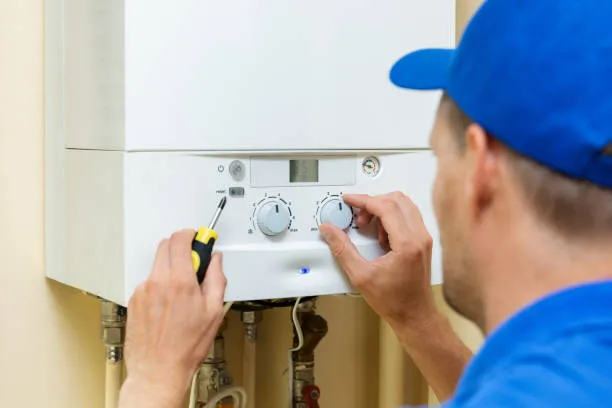
Why Winter Park homes need tailored heating service
Winter Park experiences mild winters with occasional cold snaps and high humidity. Most local homes rely on heat pumps or combined heating/cooling systems rather than heavy-duty furnaces. That means technicians must be versed in heat pump defrost cycles, reversing valves, and moisture-related corrosion. Timely heating service prevents inefficient operation during brief cold periods and avoids costly failures when temperatures drop.
Common heating issues in Winter Park, FL
- Weak or uneven heating - Often caused by dirty filters, failing blowers, or duct leaks.
- Heat pump not switching to heat - Could be thermostat, reversing valve, or control board related.
- Short cycling or frequent on/off cycles - Common with failing capacitors, oversized systems, or refrigerant issues.
- Noisy operation - Loose panels, worn bearings in motors, or failing fan assemblies.
- High electric bills during heating mode - Reduced efficiency from dirty coils, low refrigerant, or aging compressors.
- Thermostat communication errors - Poor wiring, sensor faults, or smart thermostat compatibility issues.
- Corrosion and drainage problems - Coastal humidity and salt air can accelerate coil and component corrosion, and clogged condensate lines lead to shutdowns.
Types of heating service offered
- Full diagnostics - System-wide inspection to find root causes.
- Routine service visits and tune-ups - Seasonal maintenance including cleaning, adjustments, and performance checks.
- Emergency call-outs - Rapid response for systems that fail during cold snaps.
- Smart thermostat setup and integration - Professional installation, wiring, zone mapping, and app pairing.
- Parts replacement and retrofits - Fan motors, capacitors, contactors, compressors, reversing valves, thermostats, and sensors.
- System replacements and upgrades - Advice on when replacement is more cost effective than repair, and matching equipment to home load and duct design.
- Duct and airflow services - Detecting leaks, balancing, and improving airflow to eliminate hot and cold spots.
Diagnostic process: what a technician will do
- Initial interview and symptom check - Collect specific timing, noises, and thermostat behavior.
- Safety and system readiness check - Verify electrical safety, gas lines if present, and control operations.
- Visual and mechanical inspection - Examine coils, fans, condensate lines, filters, and access panels.
- Electrical testing - Measure voltages, currents, capacitors, and controls for faults.
- Refrigerant and pressure checks (for heat pumps/AC) - Verify proper charge and look for leaks.
- Thermostat and control verification - Confirm proper wiring, calibration, and smart thermostat integration.
- Performance evaluation - Measure temperatures, airflow, and cycle times to determine efficiency and sizing issues.
- Clear, prioritized repair plan - Present findings and recommended actions with likely outcomes and parts needed.
Repairs, parts replacement, and smart thermostat integration
- Common repairs include replacing capacitors, contactors, motors, reversing valves, and relays. For older systems, compressor repairs or replacements may be necessary.
- Parts replacement uses OEM-equivalent components to maintain manufacturer performance and warranty compliance. Technicians will explain warranty transfers and documentation needed for manufacturer claims.
- Smart thermostat setup covers physical mounting, wiring and C-wire solutions, system configuration for heat pump systems (including emergency heat and auxiliary heat), integration with Z‑wave or Wi Fi devices, and training on app features for schedules, geofencing, and energy reports. Proper setup prevents short-cycling and ensures accurate temperature sensing.
Technician qualifications and standards
Qualified technicians typically hold state HVAC licenses, EPA refrigerant handling certification, and industry certifications such as NATE. Expect skills in electrical diagnostics, refrigerant systems, gas safety if applicable, and smart control integration. Background checks, ongoing training, and adherence to safety protocols help ensure reliable, respectful service in your home.
Warranty and pricing overview
- Warranty types - Manufacturer parts warranties cover specific components and vary by brand and model. Service providers commonly offer limited labor warranties for repairs and installation work. Keep installation records and receipts to preserve warranty rights.
- How pricing is determined - Costs depend on system type (heat pump vs furnace), part availability, system age, required labor, and whether service is scheduled or an emergency call-out. Routine tune-ups tend to be flat-rate while diagnostic and repair work can be itemized as parts plus labor. For replacements, estimates typically include system sizing, equipment efficiency, and installation complexity. Financing options or payment plans may be available through service providers.
What to expect when scheduling service
- Appointment types - Routine maintenance, diagnostic visits, and emergency service windows. Emergency visits may be available after hours with shorter response times.
- Arrival and time on site - Expect an arrival window, a technician who explains the scope of work, and a written estimate before major repairs. Most repairs can be completed the same day when parts are readily available.
- Preparation - Clear access to the equipment, ensure pets are secured, and have warranty/installation paperwork available if possible. Technicians will leave the work area clean and document completed work and any recommendations.
Maintenance tips to reduce winter service calls
- Replace or clean filters every 1 to 3 months during seasonal transitions.
- Keep outdoor units clear of debris, plants, and excess mulch to preserve airflow and prevent corrosion.
- Program or verify smart thermostat schedules before cold snaps and ensure sensor placement is unobstructed.
- Schedule a professional tune-up before the first sustained cold period to check defrost cycles, refrigerant charge, and electrical components.
- Track system age and performance; systems older than 10 to 15 years may see efficiency and reliability decline and merit replacement evaluation.
Maintenance Plan
Heat Pump/ AC Tune-Up

Furnace Tune-Up
Customer Testimonials