



Heating Service in Winter Springs, FL



Keeping your home comfortable in Winter Springs, FL means having a heating system you can depend on when temperatures dip. While Central Florida winters are typically mild, cold snaps, humidity, and overnight lows can create uncomfortable conditions and stress older heating systems. Our Heating Service in Winter Springs, FL focuses on diagnostics, seasonal tune-ups, safety inspections, repairs, parts and warranty guidance, maintenance plans, and emergency response so your heater runs safely and efficiently when you need it.
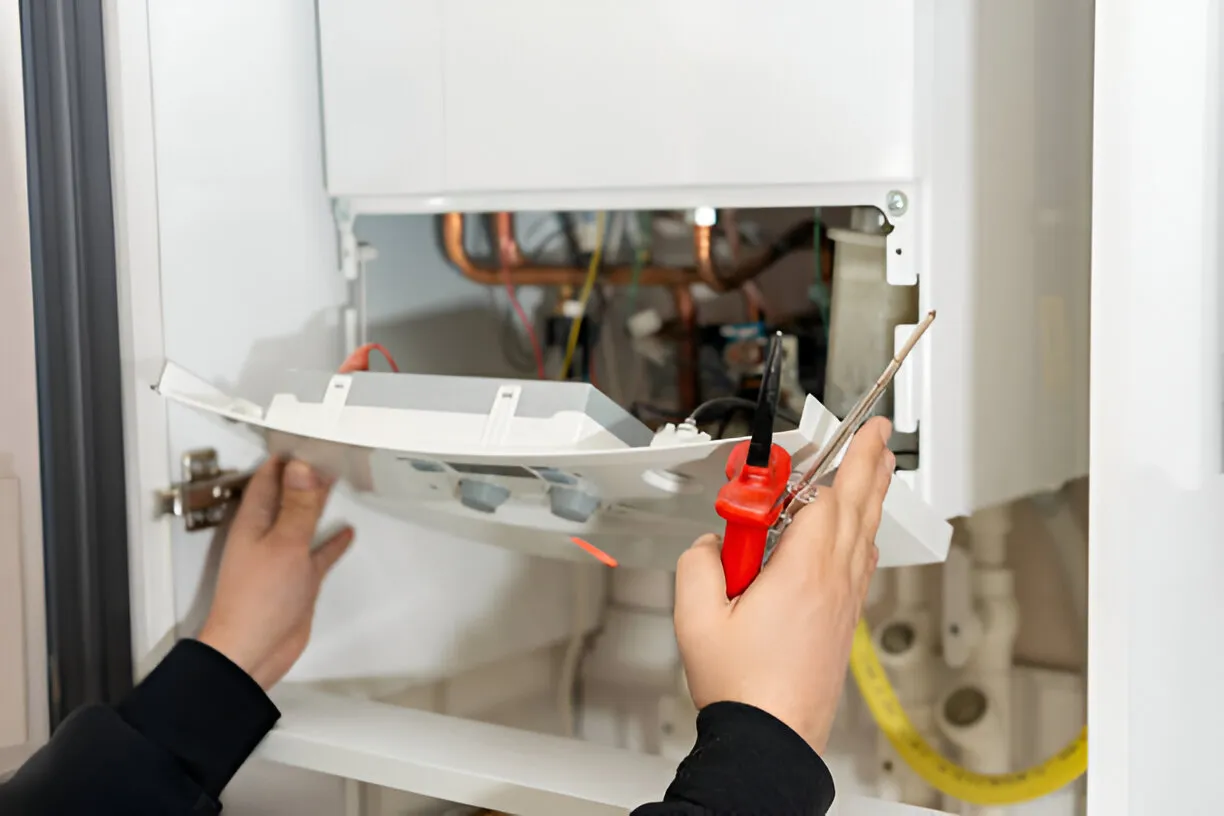
Why timely heating service matters in Winter Springs, FL
- Florida homes often rely on heat pumps, ductless mini-splits, or electric heating more than large gas furnaces. Heat pumps work year-round for both heating and cooling but require specific attention to refrigerant levels and defrost cycles.
- Humidity and salt air influence outdoor components, even in inland communities like Winter Springs, increasing corrosion risk for outdoor coils and electrical connections.
- Intermittent use means hidden problems (dirty coils, failing capacitors, or thermostat drift) can go unnoticed until the first cold night. Regular service prevents mid-season breakdowns and high utility bills.
Common heating issues in Winter Springs, FL homes
- Inconsistent or weak airflow across rooms
- Heat pump short-cycling or not switching to heat mode
- Frozen outdoor coils during cold, wet periods
- Thermostat calibration problems or communication errors
- Strange noises (clanking, grinding, or buzzing) indicating mechanical wear
- High electric bills during heating periods
- Pilot light or ignition failures on gas systems
- Safety concerns: cracked heat exchanger, carbon monoxide risk, or blocked vents
Types of heating services provided
- Diagnostics and system evaluation: Comprehensive assessment of performance, electrical, refrigerant, and airflow issues.
- Routine and seasonal servicing: Filter replacement, coil cleaning, electrical checks, lubrication, and thermostat verification.
- Safety inspections: Carbon monoxide testing, venting and flue inspection, gas leak checks, and combustion efficiency testing for fossil-fuel systems.
- Common repairs handled: Capacitors, contactors, motors, fans, refrigerant recharge and leak repair, reversing valve service, ignition system repair, blower assembly fixes, and thermostat replacement.
- Ductwork and airflow work: Duct sealing, register balancing, and simple repairs that restore comfort and efficiency.
- Ductless system maintenance: Indoor unit cleaning, line set inspection, condensate drain clearing, and control calibration.
Diagnostic process - what to expect
A thorough diagnostic starts with a system history and a visual inspection. Technicians will:
- Check thermostat settings and control wiring.
- Inspect filters, coils, and condensate lines.
- Measure airflow, temperatures, and electrical current.
- Test refrigerant pressure on heat pumps and check defrost cycles.
- Perform safety tests including carbon monoxide and gas leak checks when applicable.Diagnostics identify root causes, not just symptoms, so repairs target lasting solutions rather than temporary fixes.
Repairs and solutions explained
- Electrical and controls: Replacing worn capacitors, relays, and control boards restores reliable starts and prevents short cycling.
- Mechanical wear: Motor and fan replacements correct weak airflow and odd noises.
- Refrigerant and valve work: Properly repairing leaks and recharging refrigerant keeps heat pumps operating at designed efficiency.
- Combustion issues: For gas systems, cleaning burners, inspecting heat exchangers, and confirming venting integrity keeps combustion safe and efficient.
- Duct and airflow corrections: Sealing leaks and adjusting dampers improves room-to-room comfort and reduces runtime.
Parts and warranty information
- Quality repairs use OEM or equivalent parts appropriate for your make and model to protect performance and longevity.
- Parts typically carry manufacturer warranties, while labor warranties vary by service provider. Ask for documentation that details coverage periods for both parts and labor.
- For older systems, availability of exact replacement parts can affect repair feasibility; technicians should discuss options, including compatible aftermarket parts or replacement when necessary.
Service agreements and maintenance-plan options
Regular maintenance is the most cost-effective way to extend equipment life and maintain efficiency. Maintenance plans usually include:
- Scheduled seasonal tune-ups (for example, a 21-point tune-up) to keep systems optimized
- Priority scheduling during peak cold calls
- Discounted diagnostic fees or repair rates
- Filter delivery or replacement reminders
- Annual safety inspectionsA signed maintenance agreement provides predictable care and helps avoid emergency repairs when temperatures fall.
Emergency response availability
Heating issues can become urgent when temperatures drop or when safety concerns arise. Emergency response options generally include after-hours troubleshooting, same-day service for safety-related failures, and guidance for safe interim steps you can take at home (for example, shutting off a suspected gas odor and ventilating until a professional arrives). Emergency response capability reduces risk and restores comfort faster.
When to schedule service versus consider replacement
Consider scheduling service when you observe any of the following:
- Reduced airflow, uneven temperatures, or rising operating costs
- Odd sounds, frequent cycling, or occasional failure to start
- Thermostat errors or repeated short-term fixes
Consider replacement when:
- The system is older than recommended service lifespans (typical heat pump life 10-15 years; furnaces 15-20 years)
- Repairs are frequent and total repair costs approach 50 percent or more of a replacement estimate
- The unit uses outdated refrigerants or has a cracked heat exchanger, which poses safety and long-term reliability problemsReplacement can offer better efficiency (lower utility bills), improved comfort, and modern safety features. A technician should provide an objective assessment and estimated lifetime costs to help you decide.
Benefits of regular heating service and maintenance tips
- Improved comfort with consistent temperatures and airflow
- Lower energy bills through efficient operation
- Fewer mid-season breakdowns and longer equipment life
- Better indoor air quality from clean filters and coils
- Enhanced safety through regular carbon monoxide and combustion checks
Simple homeowner maintenance tips:
- Replace filters regularly, especially during seasonal transitions
- Keep outdoor units clear of debris, leaves, and vegetation
- Ensure vents and registers are unobstructed
- Monitor thermostat settings and battery status
Maintenance Plan
Heat Pump/ AC Tune-Up

Furnace Tune-Up
Customer Testimonials