



Heating Tune-Up in Winter Springs, FL



A professional heating tune-up keeps your home comfortable, reduces energy waste, and prevents unexpected breakdowns when Florida experiences its occasional cold snap. In Winter Springs, FL, heating systems are often heat pumps or smaller gas furnaces that run intermittently. That means even though you may not use heat daily, seasonal maintenance is essential to ensure reliable operation, safer combustion, and peak performance when you need it.
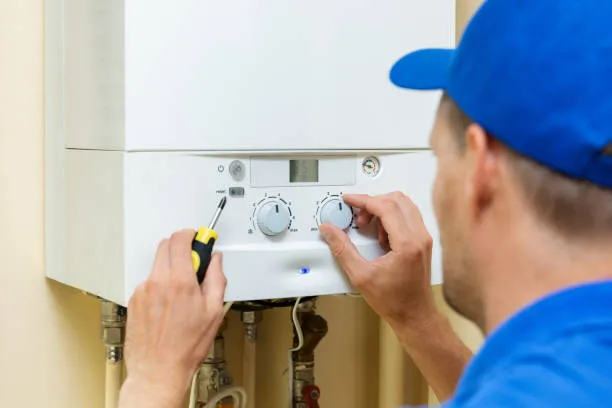
Common heating issues in Winter Springs homes
- Reduced airflow from clogged filters or a dirty blower, making your system work harder.
- Short cycling caused by dirty coils, restricted airflow, or thermostat miscalibration.
- Ignition or burner problems on gas furnaces after long periods of inactivity.
- Heat pump-specific issues like weak defrost cycles, low refrigerant, or reversing valve problems.
- Venting and flue deterioration that can allow carbon monoxide to accumulate in homes with gas equipment.
- Inconsistent thermostat readings making some rooms too warm or too cool.
What a heating tune-up includes (detailed checklist)
A complete tune-up checks safety, performance, and basic wear items. Typical inspection and service items include:
- Air filter inspection and replacement recommendation - verify correct size and type, and confirm clean airflow.
- Burner and ignition inspection - check ignition sequence, burner flames, and flame sensor condition on gas systems.
- Flue and vent inspection - ensure proper draft, no blockages or cracks, and safe combustion venting.
- Blower motor and wheel check - clean blower blades, test motor operation, verify belt tension if applicable.
- Thermostat calibration - confirm accurate temperature control and proper cycling behavior.
- Electrical connections and safety controls - tighten terminals, inspect relays and safety switches for reliability.
- Combustion and carbon monoxide checks - measure combustion efficiency (when applicable) and test CO levels at the appliance and living space.
- Heat exchanger inspection (on furnaces) - visual check for cracks or corrosion that could create safety hazards.
- Refrigerant and outdoor unit evaluation (heat pumps) - check refrigerant levels, inspect coils, and verify defrost operation.
- Airflow measurement and static pressure review - ensure the system moves the right amount of air for comfort and efficiency.
Cleaning and minor adjustments performed
During a tune-up, technicians perform targeted cleaning and small repairs that restore efficiency without major replacements:
- Vacuum and wipe down burners, flame sensors, and ignition assemblies.
- Clean or brush blower wheel and motor housing; lubricate motor bearings where applicable.
- Clear debris from outdoor heat pump/condenser coil and straighten bent fins.
- Tighten electrical connections and adjust belt tension or pulleys.
- Clear condensate drains and pans to prevent clogs and moisture damage.
- Adjust gas pressure, pilot settings, or control parameters to match manufacturer specifications.
Safety and carbon monoxide checks
Safety testing is a core tune-up component, especially where fuel-burning equipment exists:
- Carbon monoxide (CO) testing at the appliance and in nearby living spaces to confirm safe operation.
- Combustion analysis to check flame characteristics and combustion efficiency on furnaces and boilers.
- Visual inspection of flues, vents, and chimneys for corrosion, rust, or blockages that would impair exhaust.
- Safety control verification including limit switches, pressure switches, and fail-safes that stop the system if conditions are unsafe.
Performance optimization tips for Winter Springs homeowners
- Schedule tune-ups in early fall so your system is verified before the first cold stretch. For heat pumps, consider twice-yearly checks (fall and spring) to cover both heating and cooling demands.
- Use a programmable or smart thermostat to reduce runtime and prevent unnecessary auxiliary heat usage.
- Change or check filters monthly during heavy use and at least every 90 days otherwise to preserve airflow.
- Keep the area around outdoor units clear of leaves, mulch, and landscaping to maintain proper airflow and heat transfer.
- Seal and insulate ductwork in attics or crawlspaces to reduce heat loss and improve overall system responsiveness.
- Avoid using emergency or auxiliary heat except when truly needed; frequent auxiliary use indicates a service need.
Benefits of regular tune-ups for efficiency and reliability
- Lower energy use and more consistent comfort because systems run closer to their rated efficiency with proper airflow and clean components.
- Fewer emergency repairs since technicians find wear and potential failures before they cause breakdowns.
- Improved indoor safety through verified combustion and CO protection on fuel-burning systems.
- Extended equipment life by reducing stress on motors, compressors, and heat exchangers.
- Preserved warranty compliance for many manufacturers that require routine maintenance documentation.
When to schedule seasonal service in Winter Springs, FL
Although winters here are mild compared with northern climates, plan tune-ups before you rely on heat: late September through November is ideal. For homes with heat pumps that handle both heating and cooling, schedule service twice a year to catch heat-mode and cool-mode issues. After extended idleness, sudden performance problems, unusual noises, or if you detect a gas smell or CO alarm activation, arrange an immediate inspection.
Maintenance Plan
Heat Pump/ AC Tune-Up

Furnace Tune-Up
Customer Testimonials