



Smart Thermostats Installation in Orange County, FL



Upgrading to a smart thermostat is one of the quickest, most effective improvements you can make to increase comfort and reduce energy costs in an Orange County, FL home. Van Eddies Heating & Air Conditioning installs and configures smart thermostats to work with a wide range of heating and cooling systems, focusing on reliability, correct wiring, and real-world performance in Florida’s hot, humid climate.
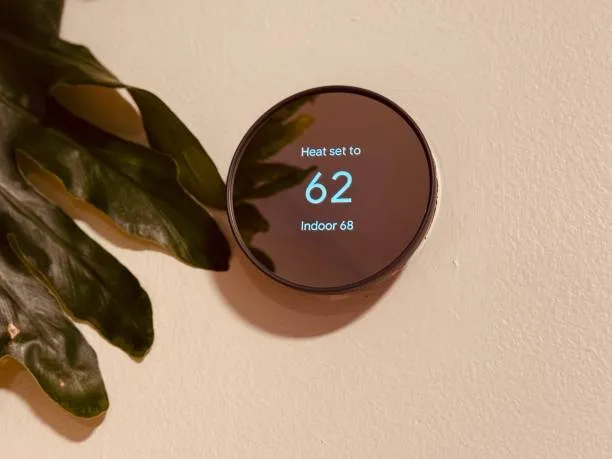
Why a smart thermostat matters in Orange County, FL
Homes in Orange County face long cooling seasons, high humidity, and frequent heavy AC use. That increases electricity consumption and makes system efficiency a priority. A smart thermostat gives you tools that basic thermostats do not:
- Precise scheduling to avoid conditioning empty homes during the workday
- Remote access and control to adjust comfort and respond to weather or occupancy changes
- Energy-saving algorithms that learn patterns and minimize unnecessary runtime
- Integration with zoning, heat pumps, and multi-stage systems for balanced comfort
- Alerts for maintenance and system faults so small problems do not become breakdowns
Proper installation matters. A smart thermostat that is not wired, configured, or matched to your system can produce poor comfort, short cycling, or inaccurate energy data. Van Eddies Heating & Air Conditioning emphasizes compatibility assessment and professional setup so Orange County homes get the full benefits with no surprises.
Common smart thermostat services and installations in Orange County
When homeowners request smart thermostat work in Orange County, the most common project types include:
- New smart thermostat installation on existing central air conditioning or heat pump systems
- Replacement of old digital or programmable thermostats with Wi-Fi enabled smart models
- Integration with multi-stage HVAC systems, zoning dampers, or dual-fuel setups
- Installation of remote temperature sensors to mitigate hot or cold spots
- Battery-powered models replaced with common wire installation for reliable power
- Smart thermostat relocation for better temperature sensing and network coverage
- Troubleshooting and reconfiguration after power outages, firmware updates, or move-in setup
Each of these service types requires a compatibility and site assessment to determine wiring needs, control requirements, and the best thermostat model for the home.
Compatibility assessment: what we check before installation
A careful compatibility assessment prevents problems after installation. Van Eddies Heating & Air Conditioning technicians examine these items during a pre-install evaluation:
- Existing thermostat wiring and presence of a C wire for continuous power
- System type: single-stage, multi-stage, heat pump, dual fuel, or ductless mini-split
- Number of zones and whether the thermostat will control dampers or multiple stages
- Furnace or air handler control boards and whether the smart thermostat can interface
- Voltage type and any need for an adapter or relay for older systems
- Internet and Wi-Fi signal strength at the thermostat location for reliable remote access
- Proximity to direct sunlight, vents, and doorways that could skew temperature readings
If a C wire is missing, we review options: install a C wire from the air handler, use a professional power extender kit, or choose a model that reliably operates without a C wire while minimizing battery changes. If your home has zoning or a complicated control scheme, we map out the wiring strategy so the smart thermostat works with staged compressors, auxiliary heat, or zone sequencers.
Professional installation steps
A professional installation process ensures safe wiring, correct system operation, and durable performance. Typical steps performed by Van Eddies Heating & Air Conditioning for smart thermostat installation include:
Pre-installation inspection
- Confirm system type, wiring compatibility, and Wi-Fi coverage
- Photograph the existing setup for reference and documentation
Power safety check
- Turn off power at the system control to avoid short circuits
- Verify safe voltage levels at the thermostat connections
Wiring and mounting
- Label and disconnect existing wires
- Mount the thermostat base on a level surface, use wall anchors if needed
- Install required relays or interface modules for systems that need them
- Run or extend a C wire if necessary and practical
Initial configuration
- Reconnect system power and walk through basic thermostat setup
- Confirm that heating and cooling stages, fan control, and auxiliary heat respond correctly
Wi-Fi and app integration
- Connect the thermostat to the homeowner’s Wi-Fi network
- Link the thermostat to the corresponding smartphone app while on site
- Configure voice assistant integration where desired (Alexa, Google Assistant, HomeKit)
Calibration and testing
- Test operation across all modes and stages, confirm correct sensor behavior
- Run the system through a full cooling cycle to confirm proper cycling and compressor staging
Demonstration and homeowner training
- Show how to use the app, schedule, and energy reports
- Explain key features and how to interpret alerts
Documentation and support options
- Leave documentation of wiring, setup, and warranty information for the homeowner
- Explain manufacturer and workmanship warranty coverage
This complete process reduces callbacks and ensures your smart thermostat reflects the real performance of your HVAC system in Orange County conditions.
Setup and connectivity: making sure it stays connected
A smart thermostat is only as useful as its connectivity. Van Eddies Heating & Air Conditioning addresses connectivity from the start:
- Wi-Fi setup: We ensure the thermostat is on a reliable 2.4 GHz or 5 GHz network as required by the model, and we help place routers or extenders if the signal is weak near the thermostat location.
- App integration: We install and sign into the thermostat app on the homeowner’s device, teach how to manage multiple users, and confirm push notifications and email alerts are enabled.
- Voice assistants: If you use Amazon Alexa, Google Assistant, or Apple HomeKit, we pair accounts and test voice commands to control temperature and run scenes.
- Smart home platforms: For homes with home automation hubs, we verify compatibility with platforms like SmartThings or other common systems and configure scenes and automations when appropriate.
- Power reliability: In Orange County where storms and power interruptions can occur, we discuss backup strategies such as thermostat models with battery backups and surge protection to protect electronics.
A properly connected smart thermostat enables remote adjustments, automations based on geolocation or weather, and easier troubleshooting for both homeowner and technician.
Programming for efficiency and comfort
Smart thermostats offer advanced programming options that go beyond simple schedules. Van Eddies Heating & Air Conditioning configures these features to match your lifestyle and Orange County climate patterns:
- Custom schedules: Set weekday and weekend schedules, vacation modes, and sleep settings that reduce runtime when the home is empty or overnight.
- Adaptive learning: Models with learning algorithms can adapt schedules over a few weeks to reduce system runtime without sacrificing comfort.
- Geofencing: Use your smartphone’s location to automatically switch the system to an energy-saving mode when the last person leaves and return to comfort when someone approaches the house.
- Remote sensors: Install temperature and occupancy sensors in distant rooms to balance comfort and prevent overcooling of unused spaces.
- Heat pump staging and auxiliary heat management: Configure correct lockout and staging for heat pumps to avoid unnecessary compressor use during marginal weather.
- Humidity-aware control: In a humid climate like Orange County, set controls that prioritize dehumidification cycles or enable dehumidifier staging to maintain both temperature and indoor air quality.
- Energy reports and goals: Customize energy savings targets and review weekly or monthly consumption reports to track improvements.
Programming is tailored to your family’s daily rhythm and the long cooling seasons typical of central Florida, focusing on steady comfort and measurable electrical savings.
Training homeowners: what you will learn on the installation day
We ensure every homeowner feels confident using the new thermostat. On-site training covers:
- Basic controls: How to change temperature, set temporary overrides, and switch modes
- Mobile app walkthrough: How to adjust schedules, view energy reports, and receive alerts
- Voice commands: How to speak temperature or scene requests to paired assistants
- Sensor management: How to add or move remote sensors and understand their impact on comfort
- Interpreting alerts: What common notifications mean, for example filter change reminders or compressor run time warnings
- Energy tips: Simple adjustments to maximize savings without sacrificing comfort in Orange County’s climate
- Safety and reset procedures: How to perform a safe reboot or reset if needed and when to call a professional for electrical or control issues
This hands-on training shortens the learning curve and reduces support calls after installation.
Warranty and support options
Warranty and support are critical for long-term satisfaction. Van Eddies Heating & Air Conditioning provides clear guidance on the types of coverage available:
- Manufacturer warranty: Most smart thermostats carry a manufacturer warranty that covers defects; we register warranty details on site when possible and explain the scope and duration.
- Workmanship warranty: Our installation work is backed by a workmanship warranty that covers incorrect wiring, improper configuration, or other installation-related issues.
- Ongoing support: Support options include remote troubleshooting, firmware update assistance, and follow-up visits to adjust settings or add sensors.
- Maintenance plans: For homeowners who prefer proactive care, maintenance plans can include annual system checkups and thermostat inspections to keep everything operating smoothly in Orange County’s high-use cooling environment.
We document all warranty and support information for your records so you know exactly what is covered and for how long.
Troubleshooting common smart thermostat issues in Orange County
Even with professional installation, occasional issues can arise. Here are common problems and how we address them:
- Thermostat loses Wi-Fi after storms
- Check router and power; if signal is weak at the thermostat, add a Wi-Fi extender or relocate router. Verify firmware is current.
- Thermostat is not calling for cooling or heating
- Confirm wiring, check control board voltages, and test relays. Sometimes a missing C wire or a tripped safety switch at the air handler prevents calls.
- Short cycling or frequent on/off cycles
- Verify temperature differential settings, check system refrigerant charge, and evaluate compressor staging to prevent short cycles that increase wear.
- Inaccurate temperature readings
- Relocate thermostat away from direct sunlight, vents, or exterior walls; install remote sensors for better room-to-room accuracy.
- Thermostat battery drain
- Install a C wire or power module if the model supports it; check software settings that may increase power draw such as constant Wi-Fi polling.
- Integration with voice assistants failing
- Re-authenticate accounts, ensure both thermostat and assistant are on the same network and the required app permissions are granted.
Van Eddies Heating & Air Conditioning documents findings and provides durable fixes, not temporary workarounds.
Local considerations for Orange County homes
Installing and using a smart thermostat in Orange County has specific considerations:
- Extended cooling seasons: Thermostats should be optimized for long-term cooling efficiency, not short heating seasons. Avoid settings that trigger unnecessary auxiliary heat.
- Humidity control: Smart thermostats that interface with whole-house dehumidifiers or allow humidity-based setpoints provide better comfort than temperature-only control.
- Power outages and storms: Consider models with battery backup features and surge protection because frequent storms in Florida can lead to brownouts and surges that impact sensitive electronics.
- Coastal exposure: For Orange County homes closer to the coast, equipment corrosion is a concern. While a thermostat typically sits indoors, any installed external control relays or sensors should be protected from salt air.
- Older homes: Many older Orlando and Orange County homes may lack a C wire or have legacy control systems. We provide professional wiring solutions so modern thermostats function reliably.
- Local utility incentives: Orange County residents may have utility programs or rebates that encourage efficient thermostat upgrades. We help homeowners evaluate documentation and ensure installations meet program requirements when applicable.
These local considerations help tailor the installation and configuration so your smart thermostat performs well year-round.
Energy savings and comfort benefits you can expect
A professionally installed and configured smart thermostat delivers both comfort and measurable energy benefits in Orange County homes:
- Reduced cooling runtime through intelligent scheduling and geofencing
- Better humidity control which improves perceived comfort at slightly higher temperatures
- Fewer unnecessary compressor starts via adaptive staging and proper lockouts
- Insight into usage patterns that make targeted changes easier
- Faster detection of system issues via alerts, reducing the risk of larger failures
These improvements compound over time, especially in regions with long cooling seasons like Orange County, producing energy savings while maintaining comfortable indoor conditions.
Maintenance Plan
Heat Pump/ AC Tune-Up

Furnace Tune-Up
Customer Testimonials