


Smart Thermostats Installation in Orlando, FL



Upgrading to a smart thermostat is one of the most effective ways Orlando homeowners can improve comfort, reduce energy use, and get better control of their HVAC system. Smart thermostat installation in Orlando, FL involves more than simply swapping devices. It requires a professional assessment of compatibility with your current equipment, secure wiring and mounting, reliable Wi-Fi and app configuration, optimized programming for Florida’s unique climate patterns, and clear user training so your family can take full advantage of automated schedules and energy-saving features. Van Eddies Heating & Air Conditioning provides experienced, local installation and support to make the transition seamless and to ensure your smart thermostat actually delivers the savings and comfort it promises.
Why Orlando homes benefit from smart thermostats
Orlando’s long cooling season, high humidity, and frequent daytime temperature swings mean air conditioning is a major portion of annual energy bills. Smart thermostats offer precise control and scheduling to avoid unnecessary runtime during peak hours and to maintain comfort with less energy. Benefits particularly relevant to Orlando homes include:
- Reduced cooling runtime during daytime hours when occupants are away.
- Humidity-aware settings that help manage indoor comfort without overcooling.
- Remote control and diagnostics useful during travel or when homes are vacant.
- Integration with heat pumps and multi-stage systems common in Florida construction.
- Smart scheduling and energy reports that reveal opportunities to reduce consumption during peak demand.
Smart thermostats can also support whole-house dehumidifiers or zoning controllers, making them an effective tool for improving comfort in older homes with inconsistent temperature distribution.
Common smart thermostat services in Orlando, FL
When homeowners search for smart thermostat installation in Orlando, FL they are typically looking for a full-service solution that covers selection, assessment, installation, setup, and education. Typical service types include:
- Device selection guidance for Nest, Ecobee, Honeywell, and other leading brands.
- Compatibility assessments for central AC, heat pumps, dual fuel systems, and zoning.
- Professional wiring and C-wire solutions for systems lacking a common wire.
- Proper mounting and placement to avoid false readings from drafts or direct sunlight.
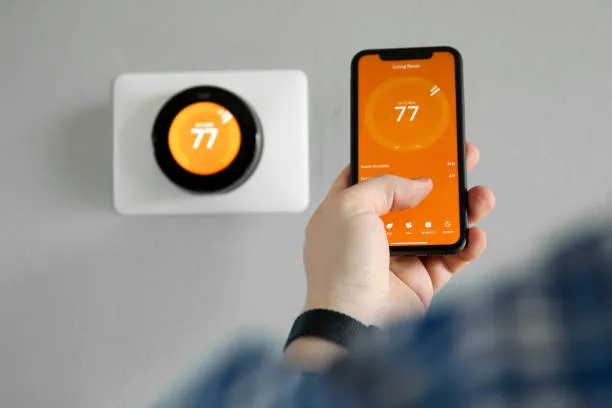
- Wi-Fi configuration and mobile app setup on homeowner devices.
- Programming and scheduling optimized for energy savings and local climate needs.
- User training and maintenance tips so homeowners can manage settings confidently.
- Warranty handling and documentation for both thermostat and installation work.
- Financing and promotions information where available for eligible customers.
Choosing the right smart thermostat for your Orlando home
Selecting the right device is the first step to a successful installation. Not every smart thermostat is ideal for every system. Considerations include HVAC type, desired features, and smart home integrations.
Key selection factors:
- HVAC compatibility: Confirm support for single-stage, multi-stage, heat pump, or millivolt systems. Some thermostats require additional adapters for certain heat systems.
- C-wire requirement: Many smart thermostats need a common wire. Options exist to install a C-wire, use a power extender kit, or choose a model designed for no C-wire installations.
- Smart home ecosystem: If you use Google Home, Amazon Alexa, Apple HomeKit, or other platforms, choose a thermostat that integrates smoothly.
- Humidity sensing and dehumidification control: In humid climates like Orlando, built-in humidity monitoring or compatibility with whole-house dehumidifiers is valuable.
- Remote sensors and zoning support: If you have rooms that run hot or cold, look for devices that support remote sensors and multi-zone operation.
- Energy reporting and utility programs: Some thermostats provide detailed energy reports or participate in demand response programs that may offer incentives.
Van Eddies Heating & Air Conditioning advises on model selection based on your specific system and comfort goals, balancing upfront features with long-term energy performance.
Compatibility assessment and pre-installation checklist
A thorough compatibility assessment prevents surprises during installation. A certified technician will inspect your system and evaluate:
- Thermostat wiring: Identify existing wires, confirm presence of a C-wire, and locate the control board in the air handler or furnace.
- Control voltages: Confirm your system uses common 24V controls or different control methods that may require adapters.
- Equipment type: Document whether your system is a single-stage AC, two-stage compressor, heat pump, or part of a dual fuel system.
- Zoning and accessory compatibility: Verify dampers, zone panels, auxiliary heat strips, and whole-house dehumidifiers are supported.
- Location suitability: Measure signal strength for Wi-Fi and assess where the thermostat will be mounted to avoid warm/cold spots.
This step reduces the risk of installation delays and ensures the chosen thermostat will operate reliably with your existing equipment and wiring.
Professional wiring, mounting, and installation process
Proper wiring and mounting are critical for accurate temperature control and reliable operation. Professional installation typically includes:
- Power shutoff and system safety checks before working on the control circuit.
- Careful removal of the old thermostat and documentation of the existing wiring and terminals.
- Installation of a C-wire where necessary, using the control board, a power adapter kit, or a recommended power extender.
- Secure mounting on a stable wall surface away from direct sunlight, air registers, or heat-producing appliances to prevent false readings.
- Neat cable routing and labeling for future serviceability.
- Verification of thermostat power and basic operation before reassembling the cover.
A professional installer from Van Eddies Heating & Air Conditioning ensures the wiring is safe, code-compliant, and organized to avoid intermittent faults that can occur with DIY attempts.
Wi-Fi configuration and app setup
A smart thermostat is only as useful as its connectivity and user setup. Typical configuration steps include:
- Connecting the thermostat to the home Wi-Fi network and verifying signal strength at the thermostat location.
- Creating or linking the thermostat to the homeowner’s account within the device manufacturer’s app.
- Configuring mobile access for multiple household members as needed.
- Enabling cloud services and any manufacturer firmware updates for security and stability.
- Linking the thermostat to third-party smart home platforms if desired, and verifying voice control or automation routines.
Installers will also explain data privacy settings and how to interpret energy reports, so homeowners understand how data is used and what features are available.
Programming for energy savings and comfort in Orlando
Smart programming is where a thermostat converts features into measurable savings and comfort. In Orlando, programming strategies focus on efficient cooling and humidity control:
- Occupancy schedules: Set temperatures for occupied and unoccupied periods to minimize cooling when the home is empty.
- Temperature setbacks: Small setbacks during daytime hours and at night can reduce run time without sacrificing perceived comfort.
- Humidity-aware settings: Adjust setpoints or enable humidity control when outdoor humidity drives indoor moisture levels up.
- Adaptive learning and recovery: Use adaptive or smart recovery modes that start conditioning early to reach comfort setpoints efficiently.
- Vacation and geofencing modes: Utilize location-based controls to reduce runtime when family members are away, and return to comfort before arrival.
- Utility rate awareness: Program settings to avoid peak demand windows if utility time-of-use rates apply.
Proper programming reduces unnecessary compressor cycling, extends equipment lifespan, and lowers energy bills in Florida’s cooling-dominant climate.
User training and handoff
A successful installation ends with an informed homeowner. Training typically includes:
- Demonstration of basic controls: Changing setpoints, switching systems to heat/cool/auto, and using fan settings correctly.
- Overview of app features: Scheduling, energy reports, remote control, and how to add other users.
- Explanation of alerts and diagnostics: How to interpret common notifications and when to contact a professional.
- Simple troubleshooting tips: Rebooting, Wi-Fi reconnection steps, and safe reset procedures.
- Maintenance reminders: How thermostat behavior can indicate HVAC needs such as filter changes or system service.
Van Eddies Heating & Air Conditioning provides clear, jargon-free instruction so homeowners can use all features confidently without guessing.
Warranty, documentation, promotions, and financing
Professional installations typically include documentation and warranty details. Relevant information homeowners should expect:
- Manufacturer warranty on the thermostat itself, including coverage period and what it covers.
- Installer workmanship warranty covering wiring, configuration, and any modifications performed during installation.
- Documentation of wiring diagrams, model numbers, and configuration settings placed with the homeowner for future reference.
- Information on available promotions or financing options that may be available to qualified homeowners to help manage upfront costs.
Providing full documentation and transparent warranty terms helps protect your investment and makes future service or system changes straightforward.
Typical issues and how professional installation prevents them
Several common problems arise from incorrect thermostat installations. Professional service addresses these issues proactively:
- No power or intermittent power due to missing or faulty C-wire solutions.
- Incorrect temperature readings from poor placement near sunlight, vents, or uninsulated exterior walls.
- Compatibility mismatches causing staging or auxiliary heat to operate incorrectly.
- Weak Wi-Fi signal leading to lost remote access or missed updates.
- Improper wiring that can lead to control shorting or equipment damage.
Skilled technicians identify and correct these risks during the installation, reducing callbacks and avoiding costly equipment stress.
Local considerations for Orlando, FL installations
Orlando’s weather and housing stock create specific considerations for smart thermostat installations:
- High cooling load: Thermostats should be programmed to reduce runtime while maintaining humidity control to avoid mold and discomfort.
- Humidity interaction: Thermostats with humidity sensors or compatibility with dehumidification control provide better comfort than temperature-only devices.
- Older homes and wiring: Many older Orlando homes may lack a C-wire; installing a reliable C-wire or using manufacturer-approved power kits is often necessary.
- Hurricane preparedness: For seasonal power concerns, settings and user training should cover how thermostats behave after power loss and how to ensure safe recovery post-storm.
- HOA considerations: In neighborhoods with homeowner associations, thermostat placement and exterior wiring work must respect aesthetic guidelines if exterior wiring is required.
Understanding these regional specifics ensures installations deliver the expected benefits in Orlando homes.
Maintenance tips and long-term performance
To keep your smart thermostat and HVAC system operating at peak efficiency, follow these simple maintenance tips:
- Replace air filters on schedule to maintain airflow and prevent excess runtime.
- Keep the thermostat free from dust and debris; clean around the sensor area carefully.
- Check Wi-Fi connectivity periodically and update passwords or router settings if you experience dropouts.
- Review energy reports monthly to identify opportunities to fine-tune schedules or settings.
- Schedule annual HVAC maintenance so the system works efficiently under the thermostat’s control.
Regular care preserves the efficiency gains provided by a smart thermostat and helps identify system issues early.
Benefits summary: what a professional smart thermostat installation delivers
A professionally installed smart thermostat in Orlando provides a combination of comfort, control, reliability, and energy management:
- Consistent comfort with fewer temperature swings and improved humidity control.
- Lower operating costs through smarter scheduling, adaptive recovery, and reduced runtime.
- Improved system longevity by minimizing unnecessary compressor and blower cycles.
- Greater convenience through remote control, automation, and voice integration.
- Clear documentation and warranty protection for peace of mind.
Van Eddies Heating & Air Conditioning brings local knowledge and HVAC expertise to every installation, ensuring your smart thermostat works in harmony with the rest of your system.
Maintenance Plan
Heat Pump/ AC Tune-Up

Furnace Tune-Up
Customer Testimonials