



Whole House Air Filtration in Orlando, FL



Whole house air filtration in Orlando, FL offers a comprehensive way to improve indoor air quality across every room of your home. In a region with high humidity, frequent thunderstorms, seasonal pollen surges, and homes that often run air conditioning year-round, airborne particles, allergens, and biological contaminants are persistent concerns. Van Eddies Heating & Air Conditioning provides expert guidance on the right whole-house filtration approach for your property, including media filters, HEPA systems, electronic air cleaners, and UV coil and air purifiers that integrate with existing HVAC systems.
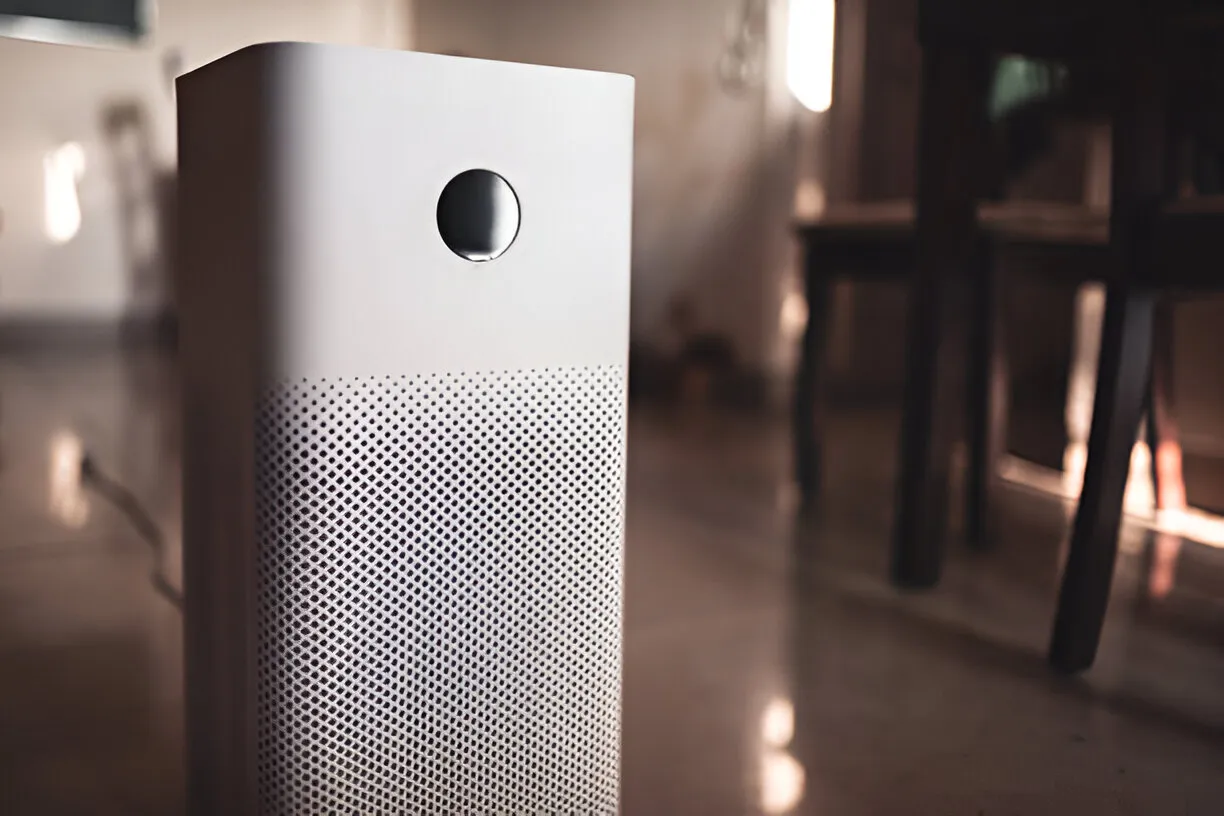
Why whole-house filtration matters in Orlando, FL
Orlando presents several indoor air quality challenges:
- High humidity encourages mold and mildew growth in ducts, on coils, and inside building materials.
- Pollen season (including oak and grass pollen) and landscape debris increase allergen loads.
- Frequent storms and hurricanes can allow dust, mold spores, and outdoor contaminants to enter homes.
- Many homes rely on central HVAC systems year-round, so contaminants recirculate continuously through the living space.
A properly designed whole-house filtration solution reduces particulates (dust, pollen, pet dander), captures many allergens, reduces microbial growth on HVAC components, and helps maintain cleaner surfaces, carpets, and HVAC equipment. Unlike portable room units, whole-house systems treat the entire conditioned air stream so occupants experience consistent air quality improvements throughout the home.
Common whole-house filtration types and how they work
Below are the most widely used whole-house options, with simple descriptions and typical benefits and tradeoffs.
- Media air filters (high-efficiency pleated filters)
- How they work: Installed in a dedicated filter cabinet or existing filter slot, media filters use deep pleats and larger surface area to trap particles.
- Benefits: High dust-holding capacity, lower maintenance than thin disposable filters, available in a range of MERV ratings for targeted performance.
- Tradeoffs: Higher MERV filters increase static pressure and may require evaluation of blower capacity and duct design.
- HEPA systems (Whole-house HEPA filtration)
- How they work: True HEPA captures 99.97 percent of particles 0.3 microns and larger. Whole-house HEPA units are installed in-line or in a dedicated cabinet and usually require a prefilter.
- Benefits: Exceptional removal of fine particulates, beneficial for severe allergy sufferers or households with immunocompromised occupants.
- Tradeoffs: Requires careful sealing and sufficient blower capacity. HEPA adds significant static pressure so compatibility with your HVAC system must be verified.
- Electronic air cleaners (electrostatic precipitators, ionizing collectors)
- How they work: Particles become electrically charged and are collected on metal plates or filters that must be cleaned periodically.
- Benefits: High efficiency for fine particles and long-term operating cost savings because there are no disposable filter replacements for the collector plates.
- Tradeoffs: Some designs can produce small amounts of ozone. Selection of low-ozone certified units and proper maintenance is essential.
- UV coil and air purifiers
- How they work: UV-C lamps are installed near the evaporator coil and in the airstream to disrupt microbial DNA, reducing mold and bacterial growth on coils and in duct surfaces.
- Benefits: Improves coil efficiency and reduces biological growth that contributes to odors and HVAC inefficiency. Works best as a complement to particulate filtration.
- Tradeoffs: UV does not remove particulates or VOCs. Lamp replacement and correct placement are required for effective results.
- Hybrid systems
- How they work: Combining media or HEPA filtration with UV and/or electronic cleaning provides a multi-stage approach to capture particles and control biological growth.
- Benefits: Balanced performance addressing both particles and microbes, often yielding the best overall indoor air quality improvements.
- Tradeoffs: Higher upfront cost and more complex maintenance schedule but greater long-term performance for sensitive households.
System selection and sizing for Orlando homes
Selecting the right whole-house filtration system requires an assessment of your home, occupants, and HVAC equipment. Key factors Van Eddies Heating & Air Conditioning considers include:
- Home size and airflow needs
- Filtration performance is linked to airflow (CFM). Typical central systems deliver about 350 to 450 CFM per ton of cooling. Accurate system sizing begins with verifying the HVAC unit size and measuring airflow to determine what filtration the blower can handle without excessive pressure drop.
- Occupant health needs
- Allergy or asthma sufferers, infants, elderly occupants, or immunocompromised residents often benefit from higher-efficiency filtration such as whole-house HEPA combined with prefiltration and UV.
- Existing ductwork and static pressure
- Higher MERV and HEPA filters increase resistance to airflow. Homes with older or restrictive ductwork may need a different solution such as an electronic cleaner or adjustments to the fan speed setting on variable-speed blowers.
- Local environmental factors
- In Orlando, the combination of pollen, fine dust, and humidity favors systems that both remove particulates and inhibit microbial growth (for example, media or HEPA filtration plus UV coil treatment).
- Noise and energy considerations
- More restrictive filters can increase runtime and energy use if the blower works harder. Choosing an energy-efficient fan and appropriate filter type is part of responsible system selection.
Sizing steps typically include measuring existing airflow, estimating the desired number of air changes per hour, evaluating duct layout and returns, and choosing a filtration device whose design pressure drop and capacity match the measured airflow. Proper selection ensures effective filtration without compromising system performance.
Typical installation steps
A professional whole-house air filtration installation generally follows this sequence:
Diagnostic assessment
- Inspect HVAC equipment, measure static pressure and airflow, evaluate duct integrity, identify return locations, and document air quality concerns.
System selection and design
- Choose the filter type (media cabinet, HEPA, electronic cleaner, UV), determine cabinet dimensions or unit size, and decide on placement (return plenum, dedicated return, or bypass).
Preparation and ductwork adjustments
- If installing a larger media cabinet or HEPA housing, a technician may modify the return plenum, add a return grille, or install duct transitions to ensure a sealed fit and avoid bypass leakage.
Mechanical and electrical installation
- Mount the filtration cabinet or in-line unit, install UV lamps with safe electrical connections and ballast, and wire electronic cleaners or controls as required. Ensure all components are grounded and follow local electrical codes.
Sealing and balancing
- Seal all joints with high-quality mastic or HVAC foil tape to prevent bypass. Rebalance airflow if needed and adjust the blower or control settings so the system operates within recommended static pressure limits.
Testing and performance verification
- Re-measure airflow and static pressure. Confirm that filter access and maintenance clearances are adequate. For electronic cleaners, confirm correct voltage and charging; for UV systems, verify lamp operation.
Owner orientation and documentation
- Provide a written maintenance schedule, show how to access and replace prefilters, and document warranties and equipment specifications.
Maintenance and filter-replacement schedules
Proper maintenance keeps filtration systems performing as intended. Typical schedules for Orlando homes are:
- Media filters (MERV 8 to MERV 13)
- Inspect every month. Replace or clean per manufacturer recommendations. In Orlando, where pollen and humidity increase loading, expect replacement every 3 to 6 months for higher MERV filters, and 6 to 12 months for lower MERV media filters in low-dust conditions.
- Whole-house HEPA systems
- HEPA filters require a prefilter to protect the HEPA media and extend service life. Prefilters typically change every 1 to 3 months depending on loading. HEPA cartridges often require replacement every 1 to 3 years depending on use and dust levels.
- Electronic air cleaners
- Collector cells should be checked and cleaned every 1 to 3 months. Inspect the ionizing section for corrosion and ensure the high-voltage supply is operating correctly. Annual professional servicing is recommended to maintain efficiency and safety.
- UV lamps
- UV-C lamp output decreases over time. Replace lamps annually or per manufacturer guidelines. Clean lamp sleeves and check ballasts during each service visit.
- System checkups
- Include whole-house filtration checks with annual HVAC maintenance visits. Technicians should measure static pressure, inspect seals and cabinet integrity, and verify that filtration does not impede airflow beyond safe limits.
In Orlando’s climate, heavier use of the HVAC system and higher airborne loading from pollen and outdoor dust may require more frequent inspections and earlier filter changes than in dryer regions.
What performance to expect
Performance depends on filter efficiency, airflow, system design, and maintenance. Typical outcomes:
- Media filters (MERV 8 to MERV 13)
- MERV 8 captures larger particulates like dust and pollen effectively. MERV 11 to MERV 13 provide improved capture of smaller allergens and some fine particles but not true HEPA-level filtration.
- Whole-house HEPA
- Removes 99.97 percent of particles down to 0.3 microns when installed correctly and with appropriate airflow. HEPA is most effective when paired with a prefilter to capture larger particles and protect the HEPA element.
- Electronic air cleaners
- Can achieve high removal rates for fine particles and have strong dust-holding capacity. Their performance is sensitive to maintenance frequency and electrical operation.
- UV coil and air purifiers
- Effective at preventing mold and microbial colonization on coils and in the airstream, improving coil efficiency and reducing biological odors. UV is not a substitute for particulate filtration.
Realistic expectations: whole-house filtration will reduce airborne particulates substantially and lessen allergy symptoms for many occupants. However, filtration does not remove all odors, gases, or some volatile organic compounds. For chemical contaminants, additional solutions like activated carbon stages and ventilation improvements should be considered.
Common issues and how they are corrected
Several common problems arise with whole-house filtration systems, especially if selected or installed without professional evaluation:
- Reduced airflow and increased static pressure
- Symptom: Weaker supply airflow, uneven cooling, or longer runtimes.
- Correction: Evaluate static pressure, downsize filter MERV if fan cannot handle the load, or upgrade blower motor/adjust fan speed. Reconfigure ductwork or add additional return paths.
- Improper sealing and bypass leakage
- Symptom: Dust around filter cabinet, reduced filtration effectiveness.
- Correction: Remove and reseal filter cabinet with mastic or foil tape and ensure tight gasketing around filter doors.
- Ozone concerns with some electronic cleaners
- Symptom: Slight chemical smell or respiratory irritation in some sensitive occupants.
- Correction: Select UL- or CARB-approved low-ozone models and verify they meet ozone emission limits. Ensure regular maintenance to prevent malfunction.
- Insufficient prefiltration for HEPA systems
- Symptom: Premature HEPA loading and reduced service life.
- Correction: Install an adequate prefilter stage and adhere to replacement intervals.
- UV lamp placement issues
- Symptom: Persistent coil mold or odors despite UV installation.
- Correction: Verify lamp orientation, distance to coil, and bulb wattage. Ensure lamp sleeves are clean and replaced annually.
- Noise or vibration
- Symptom: Rattling or humming after installation.
- Correction: Check mounting hardware and duct transitions. Isolate vibration with rubber grommets and ensure the unit is level.
Addressing these issues early prevents deeper HVAC impacts and keeps the system operating efficiently. Regular inspections by qualified technicians reduce the risk of these problems.
Warranty and financing considerations
When evaluating whole-house filtration options, understand typical warranty and financing elements:
- Manufacturer warranty types
- Most filters, filtration cabinets, UV lamps, and electronic cleaners carry manufacturer warranties ranging from 1 to 5 years for parts and limited warranties for media or electronic components. HEPA cartridges may have limited warranties against defects but not for clogging from normal use.
- Labor and installation warranties
- Professional installers like Van Eddies Heating & Air Conditioning often provide workmanship warranties for installation. Verify the term and what the warranty covers, such as sealing, electrical connections, and system start-up.
- Extended protection and service plans
- Some homeowners choose extended maintenance plans to include annual inspections, lamp replacements, and cell cleanings. These plans can help preserve warranty eligibility and system performance.
- Financing options
- Homeowners commonly use a variety of financing channels for whole-house IAQ upgrades: home improvement loans, personal lines of credit, HVAC or point-of-sale financing programs offered by lenders, or energy-efficiency financing where available. Key considerations include interest rates, repayment terms, and whether financing covers both equipment and installation.
Before committing, review warranties carefully for exclusions (for example, damage from neglect, improper maintenance, or operation outside recommended specifications). Confirm that maintenance required to keep the warranty valid is practical for your household and that replacement parts are readily available.
Benefits beyond cleaner air
Investing in whole-house filtration yields several ancillary benefits that are particularly valuable in Orlando:
- Extended HVAC equipment life
- Cleaner air reduces dust and debris buildup on coils and blower components, improving efficiency and lowering repair frequency.
- Lower cleaning and dusting workload
- Reducing airborne particulates means fewer dust deposits on surfaces and carpets, which can extend the life of furnishings and reduce cleaning needs.
- Improved comfort and odor control when combined with appropriate ventilation and carbon filtration
- While particulate filters do not eliminate all odors, combining filtration with proper ventilation and optional activated carbon stages can reduce common indoor smells associated with humidity and biological growth.
- Energy efficiency maintenance
- UV-treated coils and cleaner duct interiors maintain heat transfer efficiency, helping the HVAC system cool more effectively during Orlando’s warm months.
Maintenance tips for Orlando homeowners
A few practical habits improve long-term performance:
- Inspect filters monthly during pollen season and after storms and change or clean as needed.
- Maintain proper humidity levels indoors (generally 40 to 50 percent) to reduce mold growth. Consider whole-house dehumidification if needed.
- Schedule annual HVAC checks that include static pressure testing, UV lamp inspection, and verification of filtration operation.
- Keep return grilles and registers clean and unobstructed to preserve designed airflow patterns.
- When upgrading to higher MERV or HEPA, ensure you document changes for future technicians so maintenance and replacement parts match the installed equipment.
Maintenance Plan
Heat Pump/ AC Tune-Up

Furnace Tune-Up
Customer Testimonials