


Smart Thermostats Installation in Seminole County, FL



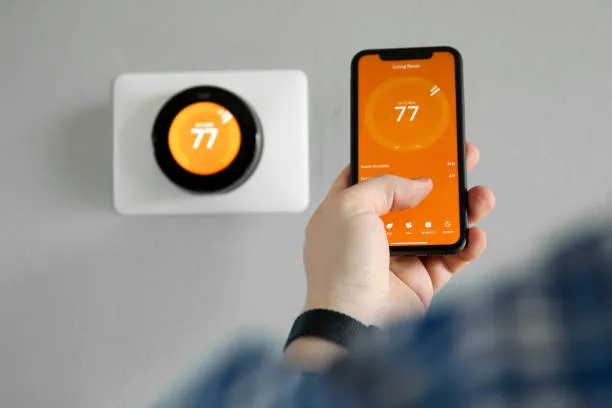
Smart thermostat installation in Seminole County, FL is one of the most cost effective, comfort-improving upgrades a homeowner can make. With long, humid summers, frequent temperature swings, and the need to manage energy use across cooling-heavy months, pairing a properly selected smart thermostat with your existing HVAC system provides predictable comfort, easier system control, and measurable energy savings. Van Eddies Heating & Air Conditioning installs and configures smart thermostats for Seminole County homes with attention to system compatibility, correct wiring, secure Wi Fi integration, and user training so the device performs exactly as you expect from day one.
Why a professional smart thermostat installation matters in Seminole County, FL
Smart thermostats are more than fancy temperature dials. They interact directly with complex HVAC control systems, and improper installation can lead to short cycling, incorrect temperature readings, or network security gaps. In Seminole County, where cooling load is high and humidity control matters, proper setup ensures your system runs efficiently without unnecessary wear.
Common homeowner goals that drive a professional installation:
- Reduce summertime cooling bills while maintaining comfort.
- Improve humidity management and reduce runtime during off-peak hours.
- Enable remote control for vacation homes, rentals, or homes with variable occupancy.
- Integrate with home automation platforms, sensors, or multi-zone systems.
- Ensure safe, code-compliant wiring and maintain manufacturer warranty.
Van Eddies Heating & Air Conditioning approaches each installation with a pre-installation assessment and documented plan tailored to the local climate and your home’s needs.
Common smart thermostat types and which Seminole County homes they fit
Choosing the right model depends on HVAC configuration, desired features, and local weather patterns.
- Entry-level Wi Fi thermostats: Basic scheduling, remote control, and energy reports. Good for single-stage split systems in smaller homes.
- Learning thermostats: Adaptive schedules based on occupancy patterns. Valuable for families with predictable routines or weekend getaways in Seminole County.
- Multi-stage and heat pump compatible thermostats: Required for two-stage compressors, heat pumps, and systems with auxiliary heat. Important for homes with combined heating and cooling or homes that use heat pumps for mild winters.
- Zoning and multi-thermostat systems: For larger homes or open floor plans where basement, upstairs, and living spaces have different cooling loads. Particularly useful when Seminole County humidity and solar gains vary room to room.
- Integrated home automation thermostats: For homeowners who want voice control, scene integration, and advanced occupancy sensing.
Van Eddies assesses system compatibility, whether the furnace or air handler provides a common C-wire, and whether your unit requires a specific control interface, then recommends models that balance energy savings and reliability.
Pre-installation assessment: What we check before we wire
A professional installation starts with a checklist to avoid surprises on install day and to ensure system reliability.
- System compatibility and schematic review: Confirm single-stage vs multi-stage, heat pump vs furnace configuration, and any proprietary control boards.
- Wiring audit: Verify thermostat wire gauge, presence of a common C-wire, terminal labeling, and routing. Identify need for a C-wire adapter or power extender if required.
- Indoor air handler inspection: Check control voltage, transformer condition, and any existing relay modules that may need replacement or isolation.
- Network conditions: Evaluate Wi Fi signal strength at the thermostat location and determine whether a mesh system or access point is needed to ensure reliable connectivity.
- Thermostat placement: Recommend locations away from direct sunlight, heat-producing appliances, and drafts to prevent false readings.
- Energy goals discussion: Determine user priorities like maximum comfort, strict energy savings, or integration with scheduling and occupancy sensors.
Documenting these items up front reduces installation time and prevents common post-install problems associated with improper wiring or weak network signal.
The installation process: wiring, integration, and commissioning
A technician follows a defined installation workflow so your thermostat works reliably and maintains system warranties.
- Power and safety checks: Turn off low-voltage and line-power circuits to prevent short circuits. Verify control voltage and transformer health.
- Secure mounting and wiring: Replace or reuse the existing wall plate, connect labeled thermostat wires to the correct terminals, and install any required relays or interface modules for legacy systems.
- C-wire solutions: If no C-wire is present, provide options such as running a new wire, installing a power adapter, or fitting a professional power extender that does not compromise system controls.
- Heat pump and multi-stage configuration: Configure settings so stages and auxiliary heat operate correctly, avoiding unnecessary electric resistance heating during cooling seasons.
- Wi Fi and app setup: Connect the thermostat to your home network using secure settings, pair with manufacturer apps, and enable features like geofencing and scheduling.
- Sensor calibration and placement: If the thermostat uses remote sensors, place and pair them to manage hot spots and upstairs heat gains common in Seminole County homes.
- Commissioning: Run system tests to confirm cooling cycles, stage transitions, and fan control. Validate scheduling, hold settings, and remote access.
- Documentation and user training: Walk through the interface, explain how to use basic and advanced features, and leave documentation on settings, emergency overrides, and routine maintenance.
Each install includes verification that the thermostat and HVAC equipment operate together without short cycling and that the system responds correctly across normal and extreme conditions.
Programming for comfort and efficiency in Florida climate
Smart thermostats can be programmed to manage both temperature and humidity, an essential consideration in Seminole County.
Programming strategies we commonly set up for Seminole County installations:
- Night setback and daytime schedules timed to occupancy and local temperature patterns to reduce run time during late nights without sacrificing comfort.
- Humidity-aware set points that reduce unnecessary dehumidification work while preventing mold-prone conditions during long humid stretches.
- Fan strategies: Use of intermittent fan operation to balance indoor humidity and air circulation without overcooling.
- Vacation modes and geofencing: Allow remote temperature adjustments when the home is unoccupied, protecting the home during prolonged absences while saving energy.
- Staged pre-cooling: Schedule pre-cooling for peak afternoon loads, especially on days when Seminole County sees high humidity and heat.
These settings translate into predictable comfort and real utility savings while keeping the HVAC system within recommended operating constraints.
Troubleshooting common setup issues
Even with careful planning, some issues can arise during or after installation. Van Eddies technicians address them quickly and document fixes.
Common problems and fixes:
- Weak Wi Fi signal: Use a dedicated access point, reposition router, or recommend a mesh node. Avoid using the thermostat as a Wi Fi bridge.
- No C-wire: Install a professional power extender, run a new wire when accessible, or use a compatible thermostat that includes an internal power solution.
- Short cycling: Adjust fan and compressor minimum run times, verify stage transition settings, and ensure proper anticipator settings for older systems.
- Heat pump auxiliary heat lockouts: Configure appropriate balance points so auxiliary heat engages only when necessary in milder winters.
- Incorrect temperature readings: Reposition thermostat away from sunlight or heat sources, calibrate sensor, and use remote sensors as needed.
- Integration glitches with smart home platforms: Align account credentials, ensure firmware updates, and verify local network ports are open if required.
The installation includes a troubleshooting pass to identify and resolve these issues prior to final handoff.
Rebate and incentive guidance for Seminole County homeowners
Smart thermostat installations often qualify for utility rebates and sometimes for state or federal incentives. While availability changes, typical avenues to explore include:
- Local utility rebates: Many Florida utilities and cooperatives offer rebates for qualifying ENERGY STAR or connected thermostats. Seminole County homeowners should review current offerings from their utility provider.
- Manufacturer promotions: Occasionally manufacturers provide mail-in rebates or promotional discounts when purchased through an installer.
- State and federal programs: Periodic energy efficiency programs or tax incentives may reduce out-of-pocket costs for smart thermostats or broader HVAC upgrades. Homeowners can check with their state energy office for the latest programs.
- Energy-efficiency bundles: When paired with other efficiency measures, such as a higher SEER AC replacement or duct sealing, additional incentives from utilities may become available.
Van Eddies can document the installed equipment and provide the model and serial numbers typically required to apply for rebates or incentives, and explain which documentation to collect for rebate claims.
Post-installation support and warranty
Professional installation is only part of reliable long-term operation. Post-installation support and warranty coverage make a difference.
- Manufacturer warranty: Smart thermostats include manufacturer warranties that vary by model. Typical coverage ranges from one to five years. Van Eddies documents warranty details and registration steps when available.
- Installation workmanship warranty: Van Eddies Heating & Air Conditioning provides workmanship coverage on installations to ensure wiring and configuration decisions are covered for a defined period.
- Software and firmware updates: We verify firmware versions and advise homeowners on automatic updates or perform updates during scheduled service visits to keep the device secure and functioning.
- Troubleshooting and tuning: If the thermostat behaves unexpectedly after installation, technicians can revisit settings, adjust schedules, or reconfigure integrations to restore proper operation.
- Seasonal checks: During high-use cooling months, a quick assessment can confirm that scheduling, humidity control, and remote features are still aligned with homeowner needs.
This layered approach protects your investment, maintains warranty protection on the HVAC equipment, and keeps smart thermostat features working as intended.
Benefits beyond energy savings
While energy reduction is a major advantage, properly installed smart thermostats deliver other tangible benefits for Seminole County homes.
- Greater home protection: Temperature alerts via app can help detect system failures or unexpected temperature swings, reducing the risk of mold growth in humid climates.
- Improved indoor comfort: Accurate sensor placement and calibration reduce hot and cold spots, delivering consistent comfort across rooms.
- Reduced HVAC wear: Proper cycling and staged control reduce unnecessary runtime, extending component life.
- Data-driven maintenance: Runtime and error reports help technicians diagnose issues faster and prioritize maintenance actions.
- Seamless home automation: Integration with voice assistants and smart home routines provides convenience without sacrificing control.
When installed and configured by experienced technicians at Van Eddies Heating & Air Conditioning, these benefits are realized without the headaches that come from DIY installations.
How we train homeowners
A confident homeowner is more likely to use advanced thermostat features. Each installation includes focused training.
What the user training covers:
- Basics: How to change temperature, set temporary holds, and use fan settings.
- App walkthrough: How to use manufacturer apps for remote control, scheduling, and alerts.
- Schedules and modes: How to set and edit daily and vacation schedules to match family routines.
- Humidity and comfort controls: How to understand and use humidity-related features and set points.
- Troubleshooting basics: How to reboot safely, high-level diagnostics like checking Wi Fi, and when to consult professional support.
Training is delivered in plain language, avoiding unnecessary technical jargon, so homeowners feel comfortable managing their systems.
Integration with existing HVAC maintenance plans
Smart thermostats expand the value of routine HVAC maintenance.
- Performance baselines: Thermostat runtime data helps Van Eddies diagnose performance drift during maintenance visits.
- Predictive maintenance signals: Alerts about unusual run times or short cycling can trigger preventive service before a major failure.
- Seasonal optimization: During tune ups, technicians can review thermostat settings and refine schedules based on seasonal changes in Seminole County.
- Documentation: Thermostat logs and system checks are recorded as part of the maintenance history for the home.
Pairing a smart thermostat with a maintenance plan provides more accurate service recommendations and can improve system longevity.
Maintenance Plan
Heat Pump/ AC Tune-Up

Furnace Tune-Up
Customer Testimonials