



Whole House Air Filtration in Winter Springs, FL
Whole House Air Filtration in Winter Springs improves indoor air quality with media, HEPA, and electronic options, installation, and maintenance guidance.



Improving the air you and your family breathe at home is one of the most impactful upgrades you can make to comfort and health. Whole house air filtration in Winter Springs, FL provides consistent, system-wide particle removal and contaminant control by integrating filtration directly into your HVAC system. Van Eddies Heating & Air Conditioning installs and evaluates in-duct media filters, HEPA-compatible solutions, and electronic air cleaners so homes in Winter Springs get cleaner indoor air tailored to local conditions like high humidity, seasonal pollen, and occasional storm-driven mold and dust intrusion.
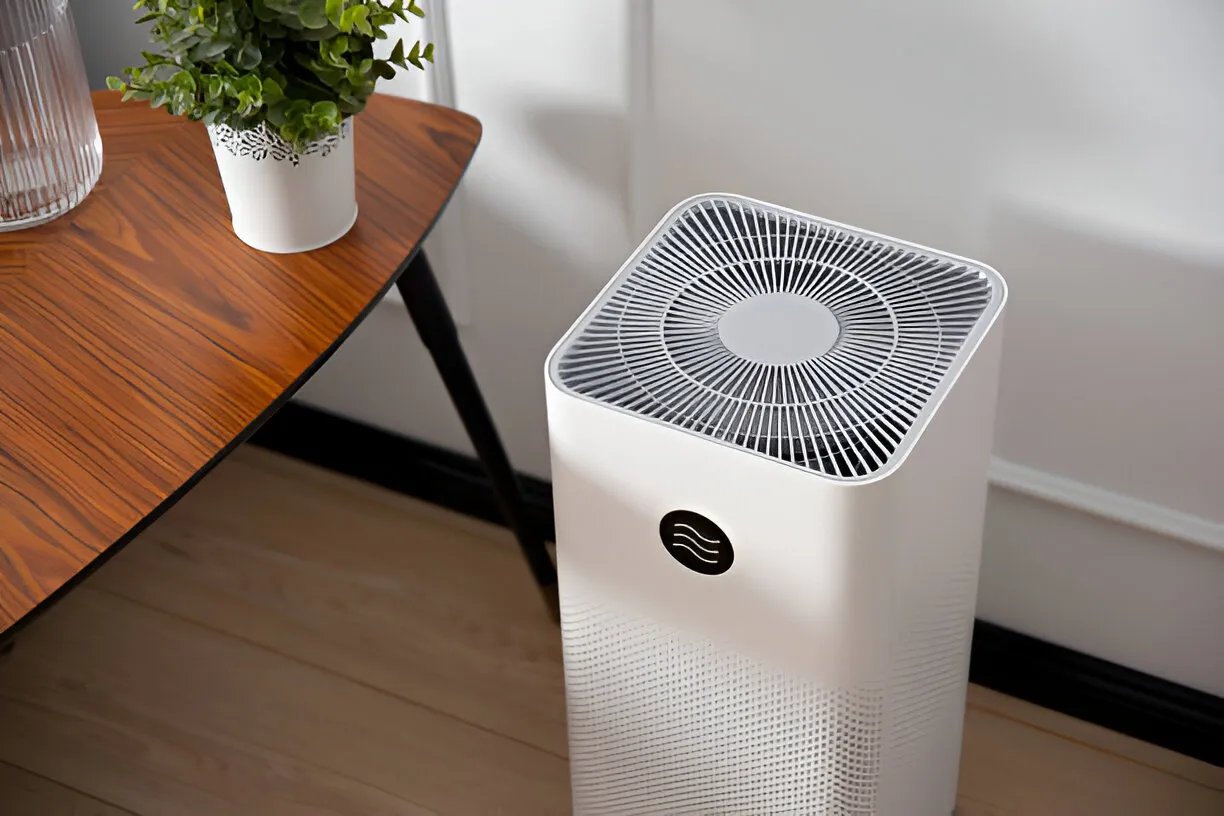
Why homeowners choose whole house air filtration in Winter Springs
- Persistent allergy symptoms or asthma triggers inside the home despite outdoor precautions.
- Visible dust buildup, sticky residue on surfaces, or odors after storms and heavy pollen days.
- Recent HVAC renovations, new construction, or ductwork repairs that may release construction particles into living spaces.
- Desire for a low-maintenance, integrated solution that treats air in every room—not just a single portable unit.
Common whole house air filtration issues in Winter Springs, FL
- High pollen and grass allergens during spring and early summer that reduce indoor air quality.
- Elevated indoor humidity in summer causing musty odors and encouraging mold growth in ducts or attics.
- Fine dust accumulation from ongoing construction and landscaping activity in growing neighborhoods.
- Salt and coastal aerosol intrusion in nearby areas that can corrode ductwork and reduce filter life.
- Improperly sized or low-MERV filtration paired with older HVAC blowers causing poor airflow or reduced filtration performance.
Types of whole house filtration systems, how they work, and which suits Winter Springs homes
In-duct media air cleaners
- How they work: Media filters are installed in the air handler or dedicated cabinet and force return air through a deep pleated media. They capture particles across a wide range of sizes by mechanical entrapment.
- Performance: Media filters can achieve high particle removal without the large pressure drops of high-MERV thin-panel filters. They are effective at removing dust, pollen, mold spores, and many larger particulate allergens.
- Pros and cons: Pros include durable performance and relatively low maintenance compared with multiple disposable filters. Cons include regular media replacement intervals and the need to confirm cabinet sizing for proper airflow.
- Best for Winter Springs: Homes with high seasonal pollen and persistent dust problems benefit from media filtration because it balances efficiency and system compatibility in humid climates.
HEPA whole-house options
- How they work: True HEPA captures at least 99.97 percent of particles 0.3 microns in size using dense fibrous media. Whole-house HEPA requires either a dedicated in-line HEPA cabinet or a retrofit solution designed for central HVAC systems.
- Performance: HEPA is the gold standard for particle removal and is ideal for severe allergy or immunocompromised household needs.
- Pros and cons: Pros are unparalleled filtration efficiency. Cons include potential airflow restriction and the common need for upgraded blower capacity or bypass configurations to prevent strain on the HVAC system.
- Best for Winter Springs: Recommended when occupants have severe respiratory sensitivities or when construction and mold remediation have increased fine particle loads.
Electronic air cleaners (electrostatic or ionizing)
- How they work: Electronic air cleaners charge airborne particles and capture them on oppositely charged plates. Many are washable and reusable.
- Performance: Excellent at removing fine particles including smoke and some bacteria-sized particles. Performance varies by model and maintenance.
- Pros and cons: Low long-term filter cost due to washable plates; however, effectiveness depends on regular cleaning. Some models can produce small amounts of ozone if not designed properly.
- Best for Winter Springs: Good for homes seeking reusable filtration with low recurring costs, but systems must be properly sized and maintained to avoid airflow and ozone concerns.
Understanding MERV ratings and performance metrics
- What MERV means: Minimum Efficiency Reporting Value measures a filter’s ability to capture particles from 0.3 to 10 microns. Higher MERV values indicate finer filtration.
- Typical ranges and what they capture:
- MERV 6 to 8: Basic protection against dust, lint, and larger particles.
- MERV 9 to 12: Good for pollen, dust mite debris, and mold spores.
- MERV 13 to 16: Near-HEPA level filtration for smoke, bacteria, and fine allergens.
- Important caveat: A higher MERV rating increases resistance to airflow. HVAC systems not designed for high-MERV filters may experience reduced airflow, lower comfort, and increased energy use.
- Performance metrics to consider: capture efficiency by particle size, pressure drop across the filter, and total clean air delivery rate. These influence both indoor air quality and HVAC system performance.
Sizing, compatibility, and system assessment for Winter Springs homes
- System load and blower capacity: THVAC blowers are designed for specific static pressures. Before recommending a high-efficiency media or HEPA system, Van Eddies Heating & Air Conditioning evaluates blower performance, duct condition, and static pressure to ensure the system can handle the additional resistance.
- Ductwork condition: Sealed, properly sized, and insulated ducts are essential. In Winter Springs, attic ductwork may be exposed to heat and humidity; leaky ducts reduce filtration effectiveness and can introduce outdoor contaminants.
- Whole-home coverage: True whole house filtration treats the return air before distribution. Van Eddies checks return grille locations, number of returns, and airflow balance to determine optimal cabinet placement or filter location so every room benefits.
- Integration with current equipment: Not all filtration options are plug-and-play. Some require a dedicated cabinet, additional mounting space, or electrical supply for electronic cleaners. An assessment identifies if minor duct modifications or a blower upgrade is needed.
Installation process and realistic timeline
- Onsite evaluation: A technician measures return dimensions, checks blower capacity, and inspects ducts. This first step defines which filtration options will provide safe, effective performance without compromising comfort.
- Proposal and equipment selection: Based on the assessment, we recommend appropriate types (media, HEPA-ready cabinet, or electronic). The proposal outlines equipment compatibility, media type, and maintenance expectations.
- Installation steps:
- Schedule and prepare: Protect flooring and access panels; ensure electrical access when required.
- Mount or install the filter cabinet in the return plenum or at the air handler.
- Verify duct connections and sealing to prevent bypass.
- Integrate electronic cleaners with safety grounding and electrical connections if applicable.
- Start-up and testing: Measure static pressure, airflow, and system cycling to confirm normal operation.
- Typical timeline: Most whole house media or electronic cleaner installations are completed in a single service visit, typically a few hours for a straightforward installation. HEPA or systems requiring duct or blower upgrades may take longer and could require a follow-up visit for adjustments.
Routine maintenance: filter replacement and cleaning best practices in Winter Springs
- Media filters: Replace according to recommended intervals listed by the manufacturer and adjusted for local conditions. In Winter Springs, heavy pollen seasons and high humidity can shorten media life. Expect visual inspections every 3 months with replacement schedules customized to your home’s needs.
- HEPA systems: HEPA modules are high-efficiency and typically last longer but require professional replacement or cleaning at manufacturer intervals. Pre-filters ahead of a HEPA element will need more frequent replacement.
- Electronic air cleaners: Wash collection plates on the schedule recommended by the manufacturer, often every 1 to 3 months. Incorrect cleaning reduces capture efficiency and can elevate pressure drop.
- Signs maintenance is needed: Increased dust on surfaces, reduced airflow at vents, more frequent HVAC cycling, or noticeable odors after storms or high pollen days.
- Maintenance services from Van Eddies: Routine filter checks, cleaning of electronic plates, and performance verification help ensure long-term efficiency and extend HVAC equipment life.
Health and allergy benefits specific to Winter Springs, FL
- Pollen reduction: Local grasses and trees release large amounts of pollen in spring and early summer. Whole house filtration reduces the indoor pollen burden, easing allergy symptoms and reducing nasal irritation.
- Mold and moisture-related particles: Florida’s humidity and storm events can increase mold spore presence. Proper filtration limits airborne spores before they settle, lowering respiratory irritation and allergy triggers.
- Reduced dust and particulates: Construction, yard work, and neighborhood traffic contribute to fine dust. Integrated filtration removes these particles at the return before they recirculate.
- Improved indoor comfort and odor control: Filtration reduces pet dander, household dust, and many odor-causing particles, yielding fresher-smelling, more comfortable indoor environments.
- Important note for severe sensitivities: For immunocompromised occupants or medically complex allergy situations, HEPA-level filtration paired with ventilation and humidity control may be recommended for a comprehensive strategy.
Expected costs and budgeting considerations
- Factors that influence costs: chosen filtration type (media, HEPA, electronic), required cabinet or blower upgrades, size and accessibility of the air handler, duct modifications, and local code or electrical work requirements.
- Upfront versus operating cost trade-offs: Higher-efficiency systems and HEPA tend to have higher initial installation considerations and may require professional upkeep. Media and electronic cleaners can offer a balance between upfront investment and manageable ongoing maintenance.
- Financing and warranty structures available: Van Eddies Heating & Air Conditioning offers structured warranty coverage consistent with equipment manufacturer terms and may provide financing options to help homeowners spread project costs. Warranty scopes typically cover installation workmanship and manufacturer defects; extended warranties or maintenance plans can protect long-term performance and reduce unexpected expenses.
- Budgeting tip: Account for initial installation, possible minor duct repairs or blower adjustments, and annual maintenance. Planning for seasonal filter changes, particularly in pollen-heavy months, will protect system performance and indoor air quality.
Warranty, reliability, and long-term performance
- Installation workmanship warranty: Proper installation is critical to prevent airflow issues and to ensure the filtration system operates as specified. Van Eddies includes workmanship assurances aligned with industry standards so homeowners know the system was integrated correctly.
- Manufacturer warranties: Filtration equipment typically carries manufacturer warranties for components like fan motors, electronic elements, and HEPA modules. Warranty length and coverage vary by brand and product class.
- Performance validation: After installation, measuring static pressure and verifying airflow ensures the system functions within parameters that maintain HVAC efficiency. Periodic checks help preserve both warranty validity and system longevity.
- When warranty limitations apply: Warranties commonly require regular maintenance. Failure to follow recommended filter/plate cleaning schedules or using non-approved replacement parts may void warranty coverage.
Sizing examples and practical decision-making
- Smaller homes with single-zone HVAC: A compact media cabinet designed to match return size is often the most cost-effective whole-house solution. It improves air quality without requiring system upgrades.
- Larger homes or multi-zone systems: May require multiple cabinets or a dedicated central filtration cabinet sized for higher airflow. Duct balancing and multiple return locations are assessed to ensure even filtration.
- Homes with existing high-MERV disposable filters: Upgrading to a true media filter cabinet can provide better capture with lower pressure drop than stacking high-MERV thin-panel filters.
- Historic or older homes with fragile ductwork: Sealing and minor duct repairs may be prioritized so filtration treats air efficiently and does not simply create negative pressure that draws outdoor contaminants into the structure.
How Van Eddies Heating & Air Conditioning approaches whole house filtration in Winter Springs
- Localized expertise: We understand how Winter Springs weather patterns—seasonal pollen, high summer humidity, and storm events—affect indoor air. Recommendations are tailored to reduce common local triggers and preserve HVAC function in humid conditions.
- Comprehensive assessment: We evaluate system compatibility, duct condition, and blower capacity before recommending filtration types, ensuring air quality improvements do not come at the expense of comfort or energy efficiency.
- Maintenance-focused planning: Systems are sized and specified with practical maintenance in mind, factoring in local pollen peaks and rainy seasons so replacement and cleaning intervals match real-world conditions.
- Transparent equipment options: Our goal is to match system performance to household needs—balancing HEPA-level capture where necessary and recommending high-performance media or electronic options where they provide the best combination of efficiency and cost.
Maintenance checklist for Winter Springs homeowners
- Inspect return grille filters monthly during pollen season.
- Schedule professional filter or HEPA module checks annually and sooner if occupants have allergy flare-ups.
- Clean electronic collector plates every 1 to 3 months depending on particle load.
- Monitor HVAC airflow and note any increased dust buildup or odors after heavy storms.
- Ensure duct access panels and attic insulation are intact to prevent moisture-driven issues that reduce filtration effectiveness.
Final considerations before choosing a whole house air filtration strategy
- Match filtration efficiency to occupant needs: Opt for HEPA-level solutions for severe sensitivities; choose media or electronic systems for general allergy relief and dust control.
- Confirm HVAC compatibility first: A high-efficiency filter that restricts airflow can create more problems than it solves; always evaluate blower capacity and duct condition.
- Consider an integrated approach: Filtration works best alongside humidity control, ventilation, and regular HVAC maintenance to create a healthy indoor environment.
- Plan for seasonal maintenance: In Winter Springs, schedule more frequent inspections during peak pollen months and after storm seasons to maintain peak performance.
Maintenance Plan
Our comprehensive 21-point Tune-up maintenance plan ensures your systems run smoothly year-round, with regular check-ups and priority support.
Heat Pump/ AC Tune-Up
Our Heat Pump/AC Tune-Up ensures peak performance by cleaning coils, checking refrigerant, lubricating parts, and inspecting electrical components. This boosts energy efficiency, extends system life, prevents breakdowns, and lowers utility bills while maintaining optimal home comfort year-round.
Sign Up Today!

Check And Adjust Thermostat As Needed
Check Filter; Replace/Wash As Needed
Check Voltages
Check All Wiring And Connections
Check Starting Contractor
Check All Capacitors
Measure All Motor Amperages
Check Operation of Unit Safety Controls
Check Superheat/Hot Gas Temperature
Check Refrigerant; Charge As Needed
Check Evaporator Condition; Clean As Needed
Check For Rubbing Refrigerant Lines
Check And Clean Condenser Coil
Check Air Temperature Across Evaporator Coil
Lubricate Any Moving Parts
Check Fan Blades For Cracks
Check Condenser Temperature Rise
Check Condensate Drain Or Pump
Check Fuse Disconnects
Check Condition of Ductwork
Wax Top Of Unit
Furnace Tune-Up
Our Furnace Tune-Up optimizes heating efficiency through coil cleaning, burner inspection, airflow checks, and safety control testing. This service prevents costly repairs, enhances fuel efficiency, extends equipment lifespan, and ensures reliable warmth during cold months.
Sign Up Today!
Check And Adjust Thermostat As Needed
Check Filter; Replace/Wash As Needed
Check For Gas Leaks At Furnace
Clean Burners And Controls
Check Safety Controls; Adjust As Needed
Check Flame Sensors
Clean Equipment Interior
Check Fan Control
Check Blower Speed And Operation
Check All Wiring And Connections
Check Connection Of Flue Pipe and Draft Diverter
Check Ignition System
Check Heat Exchanger
Check Complete Furnace Cycle
Lubricate All Moving Parts
Check Pressure Switches And Vent Blower/Draft Inducer
Check Temperature Of Vent Air
Check Air Temperature Across Furnace
Check Condition Of Ductwork
Measure Carbon Monoxide
Clean Equipment Exterior
Customer Testimonials
Discover why our customers love us through their heartfelt testimonials.