



Whole House Dehumidification in Montgomery, TX



Higher humidity is one of the most common comfort and indoor air quality problems Montgomery homeowners face. Whole house dehumidification in Montgomery, TX helps control moisture throughout your home, not just room-by-room, so you get consistent comfort, reduced mold risk, and less wear on finishes and furnishings. Van Eddies Heating & Air Conditioning brings local experience with Montgomery-area homes to recommend, size, and install whole-home dehumidifiers that work with your existing HVAC system and the Gulf-influenced climate of southeast Texas.
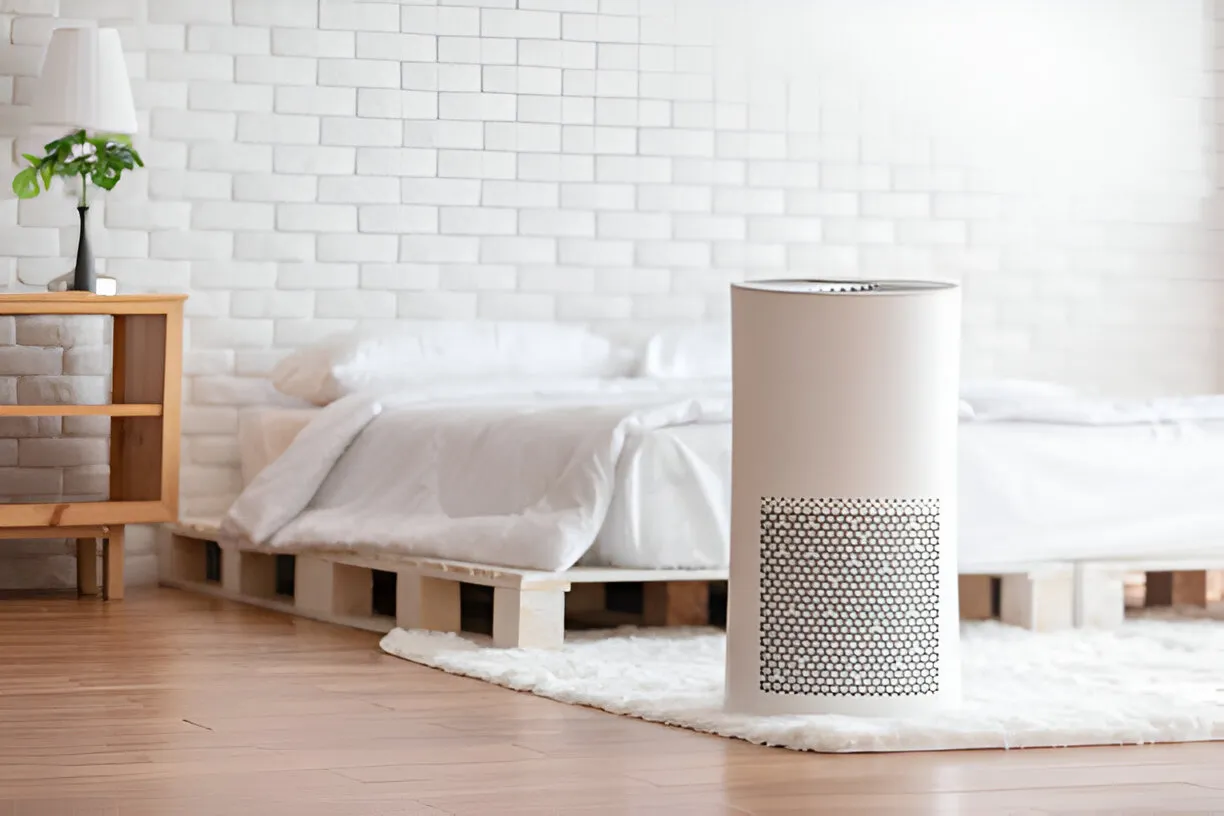
Why whole house dehumidification matters in Montgomery, TX
Montgomery sits in a humid subtropical zone where outdoor relative humidity frequently stays high, especially in spring and summer. That moisture drives indoor humidity up through open windows, foundation and crawlspace exchange, and everyday activities like showering and cooking. When indoor relative humidity regularly exceeds 50 to 55 percent you will likely notice:
- Musty smells and a feeling of clamminess even when the thermostat is set low.
- Condensation on windows, pipes, or in attic and crawlspace areas.
- Mold and mildew growth on walls, in closets, and around windows.
- Increased allergy and asthma symptoms from dust mites and mold spores thriving in damp conditions.
- Warping or cupping of hardwood floors, paint blistering, and deterioration of wood trim.
- Air conditioner short-cycling or running longer than necessary because it must remove latent moisture as well as sensible heat.
A whole-house dehumidifier reduces indoor moisture at the system level so your HVAC and living spaces stay more comfortable and healthier year-round.
Common whole house dehumidification issues Montgomery homes experience
- High basement, crawlspace, or slab moisture that introduces humidity into living areas.
- Attic or duct condensation where warm humid air meets cool surfaces, leading to mold in insulation.
- Persistent musty odors in closets, laundry rooms, and bathrooms despite frequent cleaning.
- Air conditioning that never seems to dry the house out even though it cools effectively.
- Mold reappearing after cleaning because the underlying humidity source is not controlled.
- Uneven humidity from room to room that portable units fail to address.
Recognizing these signs is the first step toward specifying the right whole-home solution for Montgomery homes.
How whole-home dehumidifiers work
Whole-home dehumidifiers integrate with your central HVAC system to remove moisture from the air drawn through the return plenum. There are two main types:
- Refrigerant (mechanical) dehumidifiers: These work much like an air conditioner inside-out. Warm, humid air passes over cold coils; moisture condenses and drains away. The air is slightly reheated and returned to the supply side.
- Desiccant dehumidifiers: These use moisture-absorbing materials to remove humidity and are chosen for special cases where low-temperature or very low humidity control is needed. They are less common in conventional Montgomery homes.
Whole-house units are rated by moisture removal capacity, typically expressed in pints per day. They operate with a dedicated control or integrated humidistat that allows you to set a target indoor relative humidity (typically 40 to 50 percent is recommended for Montgomery homes).
Signs you need whole-house dehumidification in Montgomery, TX
If you identify one or more of the following, whole house dehumidification is likely appropriate:
- Average indoor relative humidity consistently higher than 50 to 55 percent.
- Visible mold or mildew returns after cleaning.
- Condensation on ductwork, windows, or pipes during warm months.
- Allergies that improve when you leave the house, suggesting an indoor source.
- AC runs excessively but rooms still feel sticky.
- Crawlspace or basement moisture that cannot be resolved by spot solutions.
Van Eddies Heating & Air Conditioning evaluates these symptoms alongside a home inspection and humidity measurements to determine if a whole-home system is the right fit.
System selection and sizing for Montgomery homes
Correct sizing is critical. A dehumidifier that is too small will not control humidity; an oversized unit can short-cycle and waste energy. Sizing depends on several local factors:
- Home square footage and volume. Larger homes need higher capacity units.
- Envelope tightness. Older or draftier homes allow more outside moisture infiltration.
- Number of occupants and typical daily activities. More occupants and heavy cooking or frequent showers increase moisture load.
- Presence of pools, spas, or frequent laundry drying indoors.
- Crawlspace or slab conditions. Homes with damp crawlspaces often require additional capacity or a dedicated crawlspace dehumidifier.
Typical residential whole-home units range from roughly 30 to over 120 pints per day. For Montgomery homes, many properties fall in the 40 to 70 pints per day range, but coastal humidity and specific moisture sources can push requirements higher. A proper load calculation considers both sensible and latent loads and results in a recommendation for pints-per-day capacity and placement.
Installation and integration with existing ductwork
Whole-house dehumidifiers are commonly installed adjacent to the air handler or inside the furnace cabinet, with connections to the return or supply plenum. Key installation considerations include:
- Location: Closest to the HVAC air handler to simplify duct connections and electrical service. The unit needs space for access and maintenance.
- Duct integration: The dehumidifier can be plumbed into the return side or installed in a bypass configuration with its own duct run to the return and supply. A bypass or dedicated coil arrangement may be used to control where dry air enters the system.
- Drain management: Condensate must be drained reliably to a floor drain, condensate pump, or approved discharge point. In Montgomery where frequent rainfall can impact ground drains, correct routing and check valves avoid backflow or overflow issues.
- Electrical: Dehumidifiers require a dedicated circuit sized to the unit’s rated amperage; this must be installed to code.
- Controls: Integration with a whole-home thermostat or standalone humidistat provides automatic control. Some systems allow dehumidification to continue independent of cooling, which is useful for fall or spring when humidity is high but temperature is moderate.
- Airflow balancing: Adjustments to the house’s duct dampers or blower settings may be needed to maintain proper distribution and static pressure.
- Filter access: The unit should be installed for easy filter replacement and coil cleaning.
Professional installation avoids common mistakes such as improper condensate routing, insufficient airflow, or placing the unit in a location that complicates maintenance.
Energy impacts and operational considerations
Whole-house dehumidification consumes electricity, but controlling humidity often reduces overall HVAC energy use because the air conditioner spends less time removing moisture. Key points for Montgomery homeowners:
- Dehumidifiers add a modest electrical load. Modern models are energy-efficient; some include ECM fans or variable-speed compressors to lower consumption.
- Properly sized dehumidification reduces AC runtime and improves perceived comfort, allowing thermostats to be set slightly higher without sacrificing comfort.
- Running a dehumidifier during shoulder seasons (spring, fall) when it is not hot but humidity is high can avoid the need for overcooling to remove moisture.
- Consider a unit with humidity-focused controls and demand response features to optimize when it runs relative to AC cycles.
- For homes with high moisture sources, pairing dehumidification with improved ventilation and exhaust (bath and kitchen fans, dryer venting) leads to the best energy and comfort outcomes.
A local HVAC professional can quantify expected energy impacts for a given model and home, giving you a realistic picture of operating costs and savings.
Maintenance requirements for reliable operation
Whole-house dehumidifiers are low-maintenance when installed correctly, but predictable tasks keep performance at peak:
- Replace or clean filters every 1 to 3 months depending on use and indoor air quality.
- Inspect and clean coils annually to prevent efficiency loss from dust accumulation.
- Verify condensate drain and pump operation regularly, especially during humid months.
- Check electrical connections and controls at least once a year during HVAC maintenance visits.
- Calibrate or verify humidistat accuracy to ensure target humidity is maintained.
- Watch for unusual noises, leaks, or error codes and address them promptly.
Van Eddies Heating & Air Conditioning advises a seasonal inspection aligned with your annual HVAC tune-up to keep the dehumidifier and HVAC system working together efficiently.
Common integration scenarios and solutions
- Existing central AC with plenty of cooling capacity: A duct-mounted refrigerant whole-house dehumidifier is a common choice. It installs adjacent to the air handler and ties into ductwork.
- Older homes with high infiltration: Combine whole house dehumidification with improved sealing and targeted ventilation to reduce incoming moisture.
- Homes with damp crawlspaces: Add a dedicated crawlspace dehumidifier in addition to whole-home equipment, or encapsulate the crawlspace and use a smaller whole-home unit more effectively.
- New construction or major remodels: Design the dehumidification system alongside HVAC controls so the builder can size ducting and electrical appropriately.
- Zoned HVAC systems: Carefully plan placement and controls so dehumidification benefits occupied zones without creating imbalance.
Each Montgomery home is unique; a site visit and moisture load assessment ensure the chosen solution provides measurable improvement.
Expected outcomes: comfort, health, and preservation
Installing whole house dehumidification yields concrete benefits you can expect in Montgomery homes:
- Improved comfort at higher thermostat set points because drier air feels cooler and less sticky.
- Fewer musty odors and visible mold growth as indoor relative humidity drops into the 40 to 50 percent range.
- Reduced allergen presence from dust mites and mold spores that thrive in humid conditions, improving air quality for sensitive occupants.
- Better building durability, including less warping of wood floors, fewer paint or wallpaper problems, and prolonged life of cabinetry and electronics.
- More efficient air conditioning operation over time due to lower latent loads on the system.
- Fewer condensation-related issues on windows, pipes, and ductwork.
These outcomes translate to a more comfortable, healthier home environment and often lower long-term maintenance costs associated with humidity damage.
Choosing the right product for your Montgomery home
When selecting a whole-home dehumidifier, consider:
- Capacity: Match pints-per-day to calculated moisture load for the home.
- Integration: Choose a model compatible with your air handler and thermostat controls.
- Efficiency: Look for units with energy-saving features such as variable speed fans and smart controls.
- Serviceability: Access panels, filter replacement, and drain routing should be convenient for routine maintenance.
- Local support: Choose an installer who understands Montgomery-specific moisture issues, like Van Eddies Heating & Air Conditioning, to ensure proper sizing and installation.
A trusted local provider will balance capacity, energy performance, and installation practicality to deliver consistent humidity control.
Additional measures that complement whole house dehumidification
Whole-house dehumidification works best when combined with a holistic moisture management strategy:
- Improve attic, crawlspace, and basement ventilation or encapsulation to limit moisture pathways.
- Ensure dryer and range hoods vent to the exterior.
- Install and use exhaust fans in bathrooms and kitchens to remove moisture at the source.
- Seal penetrations and weatherstrip doors to limit humid outdoor air infiltration.
- Manage landscape grading and guttering to reduce ground moisture intrusion near foundations.
Addressing both sources and transport of moisture reduces load on the dehumidifier and improves overall home performance.
Long-term value for Montgomery homeowners
Investing in whole-house dehumidification helps Montgomery homeowners protect the home, improve daily comfort, and reduce health risks associated with high humidity. Over time you can expect fewer humidity-driven repairs, better HVAC efficiency, and a more comfortable indoor environment during long humid seasons. Routine maintenance and correct sizing will maximize the longevity and effectiveness of the installed system.
Van Eddies Heating & Air Conditioning combines local knowledge of Montgomery’s climate with system-level HVAC expertise to recommend balanced dehumidification solutions that integrate cleanly into your existing system and match the specific needs of your home.
Maintenance Plan
Heat Pump/ AC Tune-Up

Furnace Tune-Up
Customer Testimonials