



Whole House Dehumidification in Orange County, FL



High humidity is one of the defining comfort and health challenges for Orange County, FL homes. If your house feels clammy even when the air conditioner runs, you notice musty odors after a rainy week, or you worry about mold on walls and in closets, whole house dehumidification is the targeted solution. Van Eddies Heating & Air Conditioning designs and installs whole-home dehumidification systems that work with existing HVAC equipment or as dedicated systems to control moisture, improve comfort, and protect your home and belongings from humidity-related damage.
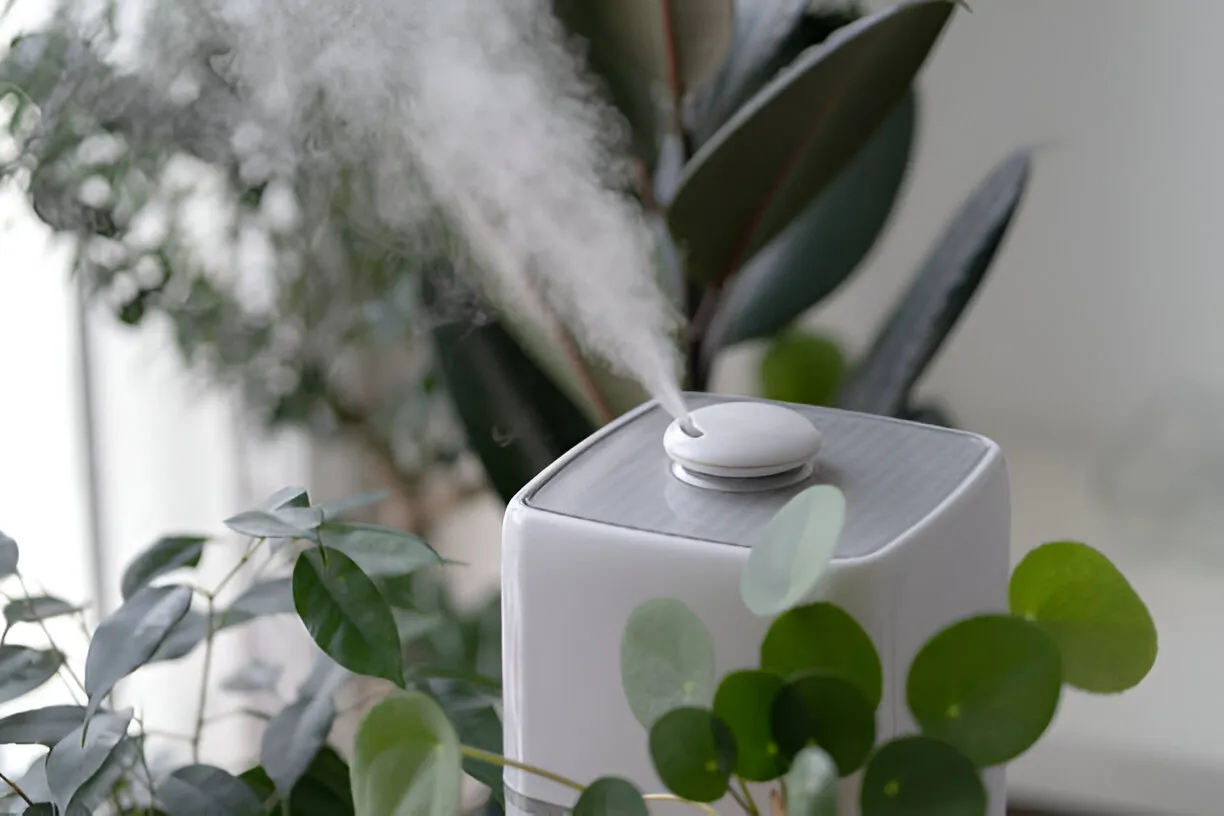
Why whole house dehumidification matters in Orange County homes
Orange County experiences warm, humid conditions most of the year. High outdoor humidity, frequent afternoon storms, and seasonal weather events increase indoor latent load - the moisture that needs to be removed from the air. Typical consequences of uncontrolled indoor humidity include:
- Persistent sticky feeling even with cool air
- Mold and mildew growth on drywall, behind cabinets, and in closets
- Musty, stale odors in living spaces, attics, and storage areas
- Accelerated deterioration of wood floors, furniture, and electronics
- Increased allergy and asthma triggers due to mold and dust mite proliferation
- Longer run times and reduced efficiency for air conditioners struggling to remove moisture
In Orange County homes built on slab foundations and with attics that can trap humid air, dehumidification prevents moisture from accumulating in places the air conditioner cannot reach. Proper whole house dehumidification complements your HVAC system to deliver consistent comfort and long-term protection.
Types of whole house dehumidification systems
Choosing the right dehumidification approach depends on your home layout, existing HVAC equipment, and moisture problems. The main options are:
- Duct-mounted refrigerant dehumidifiers
- Installed inline with the central air handler or inside the air handler return plenum
- Use a refrigerant cycle to condense moisture from air similar to an air conditioner
- Efficient for most residential applications in Orange County
- Dedicated standalone whole-house dehumidifiers
- Free-standing units located in mechanical rooms, garages, or closets
- Connect to the duct system via supply and return ports
- Easier to retrofit in homes without compatible air handlers
- Desiccant dehumidifiers
- Use a drying material to adsorb moisture and are effective at lower temperatures
- Less common for typical Florida homes but useful in unique applications such as conditioned crawlspaces or commercial spaces
- HVAC-integrated dehumidification controls
- Advanced systems pair a dehumidifier with thermostats and humidistats to prioritize humidity control
- Variable-speed compressors and humidity-aware control logic help maintain target relative humidity with minimal energy waste
Each option has strengths. In Orange County, refrigerant-based whole-house units paired with the central HVAC are the most common because they balance capacity, efficiency, and cost for the warm, humid climate.
Common humidity problems we address in Orange County, FL
- Seasonal indoor RH above 60 percent, producing stickiness and odor
- High basement or crawlspace humidity that feeds mold in the ductwork
- Bathrooms, laundry rooms, and kitchens that never fully dry out
- Condensation on windows and metal surfaces
- Chronic musty odors in closets and storage areas
- Deterioration of wood floors and furniture in older or poorly ventilated homes
- Inadequate moisture removal in homes with high occupancy, aquariums, or indoor plants
Van Eddies Heating & Air Conditioning evaluates these typical signs and recommends a whole-house approach that prevents recurrence and addresses root causes.
How we assess your dehumidification needs
A proper dehumidification solution begins with measurement and load assessment, not guesswork. Our process includes:
- Measuring indoor relative humidity and temperature in several rooms and at different times of day
- Inspecting the duct system, air handler, insulation, and common moisture sources such as plumbing or attic penetrations
- Evaluating the existing HVAC capacity and runtime to estimate latent load
- Considering occupancy patterns, number of occupants, presence of pools or frequent cooking, and seasonal weather patterns
- Calculating required moisture removal capacity using industry rating standards and local climate data, then recommending equipment sized to handle Orange County latent loads, not just the nominal AHU capacity
In Orange County you typically need higher moisture removal capacity than northern climates. We use AHAM-rated pints per day evaluations and take into account the local summer heat and humidity to recommend units that keep indoor RH in the safe comfort range.
Sizing and placement guidance
Correct sizing is crucial. Undersized dehumidifiers will run constantly and fail to control humidity. Oversized units can short cycle, causing noise and inefficiency. Key considerations include:
- Capacity rating: Use AHAM 80F/60 percent ratings as a baseline and upsize for higher Florida humidity and heat. Many Orange County homes require 50 to 95 pints per day depending on size and moisture sources.
- Placement: Best practice is to install the dehumidifier near the air handler or in the return plenum for even distribution through ducts. For homes with high attic humidity or ductwork in unconditioned attics, a dedicated attic or crawlspace unit may be recommended.
- Duct connections: For whole-home efficacy, ensure supply and return connections are sized properly and sealed to minimize bypass and leakage.
- Noise and accessibility: Locate units in mechanical rooms, garages, or closets where noise is not disruptive, but keep components accessible for maintenance.
- Drainage access: Consider gravity-drain routes when possible. If the unit is above possible drain locations, plan for condensate pumps and appropriate electrical and overflow protection.
Placement also factors in Florida-specific elements. Attic temperatures can exceed 140F in summer, so attic-installed equipment must be rated for those conditions and protected from sun and heat degradation.
Installation and drainage requirements
Proper installation ensures reliable operation and code compliance. Our installations address these practical details:
- Condensate handling: Whole-house units produce significant condensate. Installations include a properly pitched PVC drain line, air-gap or trap where required by local code, and a condensate pump when gravity drain is not possible.
- Overflow protection: Float switches, safety shutoffs, and secondary drain pans prevent water damage during pump failure or clogged lines.
- Electrical connections: Dehumidifiers require dedicated circuits or connection to the air handler circuit depending on local electrical codes and unit specifications. We ensure installations meet Florida electrical and building codes.
- Integration with HVAC controls: For integrated systems, we connect the dehumidifier to the air handler and to the home humidistat or smart thermostat. Control logic is tuned to prioritize humidity removal when needed while maintaining overall comfort.
- Sealing and insulation: All duct penetrations around the installed unit are sealed and insulated where necessary to prevent energy loss and condensation.
Given the heavy rainfall and occasional tropical storms in Orange County, proper drainage and overflow protection are essential to avoid secondary water damage during extreme weather events.
Energy considerations and efficiency
Dehumidification removes latent heat and affects overall HVAC energy use. Efficient design minimizes energy impact:
- Run dehumidifiers in conjunction with variable-speed air handlers and modern thermostats to allow longer, lower-speed cycles that remove more moisture per kilowatt-hour.
- Select units with high energy factor (EF) or integrated humidity control that optimizes compressor operation for humidity removal rather than temperature-only control.
- Consider whole-house dehumidifiers with ECM fans and modern inverter-driven compressors for better part-load efficiency.
- Use humidity setpoints appropriate for Florida: aiming for 45 to 50 percent relative humidity provides mold control without over-drying and while keeping energy use reasonable. Lower targets require more energy.
- Leverage existing HVAC off-peak cycles and use dedicated dehumidification modes to avoid unnecessary cooling loads.
Proper design can reduce strain on the central AC. In many homes, a dehumidifier reduces AC runtime because the system no longer needs to overcool to remove moisture, even though the dehumidifier adds some electrical load. The net result is often more comfort for similar or slightly higher energy consumption optimized for better indoor air quality.
Routine maintenance and long-term care
Like any mechanical system, whole-house dehumidifiers need periodic maintenance to perform reliably in humid Florida conditions. Recommended maintenance tasks include:
- Monthly or quarterly inspection and cleaning of the air filter to maintain airflow
- Annual coil cleaning to prevent scale or biological growth that reduces heat transfer
- Inspect and flush condensate drains and test condensate pumps for reliable operation
- Check electrical connections, controls, and humidistat calibration
- Verify airflow through the duct system and seal any identified leaks
- Inspect secondary drain pans and overflow safety devices
- Schedule professional annual service for performance checks, refrigerant level verification, and control calibration
Typical service life for refrigerant-based whole-house dehumidifiers ranges from 8 to 15 years depending on use, maintenance, and environmental factors. Regular maintenance from experienced technicians helps extend life and ensures consistent humidity control in Orange County’s challenging climate.
How dehumidification improves comfort, health, and property value
Whole house dehumidification delivers measurable benefits beyond immediate comfort:
- Comfort: Lower relative humidity reduces the sticky feeling common in Florida summers, making indoor temperatures feel cooler without lowering the thermostat.
- Health: Controlling humidity to recommended levels reduces mold and dust mite growth, both significant triggers for allergies and asthma.
- Odor control: Removing excess moisture eliminates the microbial growth that causes musty odors in closets, attics, and storage spaces.
- Structural protection: Stable humidity levels protect wood floors, cabinets, drywall, and paint from swelling, warping, and mildew staining.
- Energy performance: When designed correctly, dehumidification can reduce strain on air conditioning systems and avoid overcooling cycles, resulting in more efficient comfort delivery.
- Resale value: A well-documented dehumidification strategy can be a selling point in Orange County, where buyers expect homes to withstand humid conditions without mold or odor problems.
In short, whole-house dehumidification is an investment in interior comfort, indoor air quality, and the long-term protection of your property.
Common installation scenarios for Orange County homes
- New construction: Integrating a dedicated dehumidifier with the duct design prevents moisture problems before they start, ensuring consistent indoor air quality.
- Retrofit in older homes: In many Orlando-area homes with undersized or aging AC systems, a duct-mounted dehumidifier provides meaningful moisture control without full HVAC replacement.
- High-occupancy homes: Larger families, frequent guests, or homes with humid activities like indoor pools or frequent laundry benefit from a higher capacity unit.
- Homes with attic ductwork: Installing dehumidification focused on attic ducts and the return plenum prevents humid air infiltration into conditioned space and protects insulation and ductboard.
- Crawlspace and garage conversion: Targeted dehumidifiers in modified spaces prevent mold and odor when converting a garage or enclosed porch to conditioned living space.
Each scenario has unique mechanical and drainage requirements that Van Eddies Heating & Air Conditioning considers when designing the system.
Signs your Orange County home needs whole house dehumidification now
- Indoor relative humidity frequently above 60 percent
- Visible mold or mildew on walls, baseboards, or in closets
- Musty odors that return after cleaning
- Condensation on windows and metal surfaces regularly
- Allergy flare-ups or worsening respiratory issues in humid months
- Wood floors cupping or separating during warm seasons
Addressing these signs early prevents structural damage and costly remediation later. A targeted dehumidification system corrects the moisture imbalance rather than masking symptoms.
Choosing the right equipment and controls
When selecting a system, pay attention to these features:
- Capacity matched to local latent load based on professional assessment
- Energy-efficient components like inverter-driven compressors and ECM fans
- Built-in humidistat or compatibility with smart thermostats for combined temperature and humidity control
- Humidity-first control logic that allows the dehumidifier to operate independently of AC when necessary
- Reliable condensate management with float switches, pump options, and protected drain routing
- Durable construction rated for Florida environmental conditions and easy service access
Van Eddies Heating & Air Conditioning evaluates equipment features against home needs and recommends systems that provide predictable humidity control with manageable operating costs.
Common installation pitfalls to avoid
- Undersizing the unit based only on square footage instead of latent load
- Installing in high-heat attics without verifying unit temperature ratings
- Neglecting proper condensate routing and overflow protection
- Failing to seal ductwork around the dehumidifier, causing bypass and inefficiency
- Using portable room dehumidifiers to attempt whole-house control, which results in uneven performance and maintenance headaches
A professional installation addresses these pitfalls to deliver consistent, trouble-free performance.
Long-term benefits for homeowners in Orange County
Over the life of the system, whole-house dehumidification provides:
- Better year-round indoor comfort during long Florida summers
- Lower risk of mold remediation costs and health-related expenses
- Protection for finishes and valuables sensitive to moisture
- Improved indoor air quality that complements filtration and ventilation strategies
- Predictable humidity control even during wet weather and after storm events
Investing in a properly sized and installed whole-house dehumidifier is a practical response to Orange County’s humid climate and helps maintain a healthier, more comfortable home environment.
Maintenance Plan
Heat Pump/ AC Tune-Up

Furnace Tune-Up
Customer Testimonials