



Whole House Dehumidification in Willis, TX



Living in Willis, TX means dealing with a humid subtropical climate. High outdoor humidity in summer and mild but damp winters create indoor moisture challenges that most home cooling systems were not designed to handle alone. Whole house dehumidification provides a reliable, efficient way to control indoor relative humidity across every room in your home. Van Eddies Heating & Air Conditioning installs and supports whole-house dehumidifier systems that work with central air systems to reduce mold, protect building materials, improve comfort, and deliver better indoor air quality for Willis area homes.
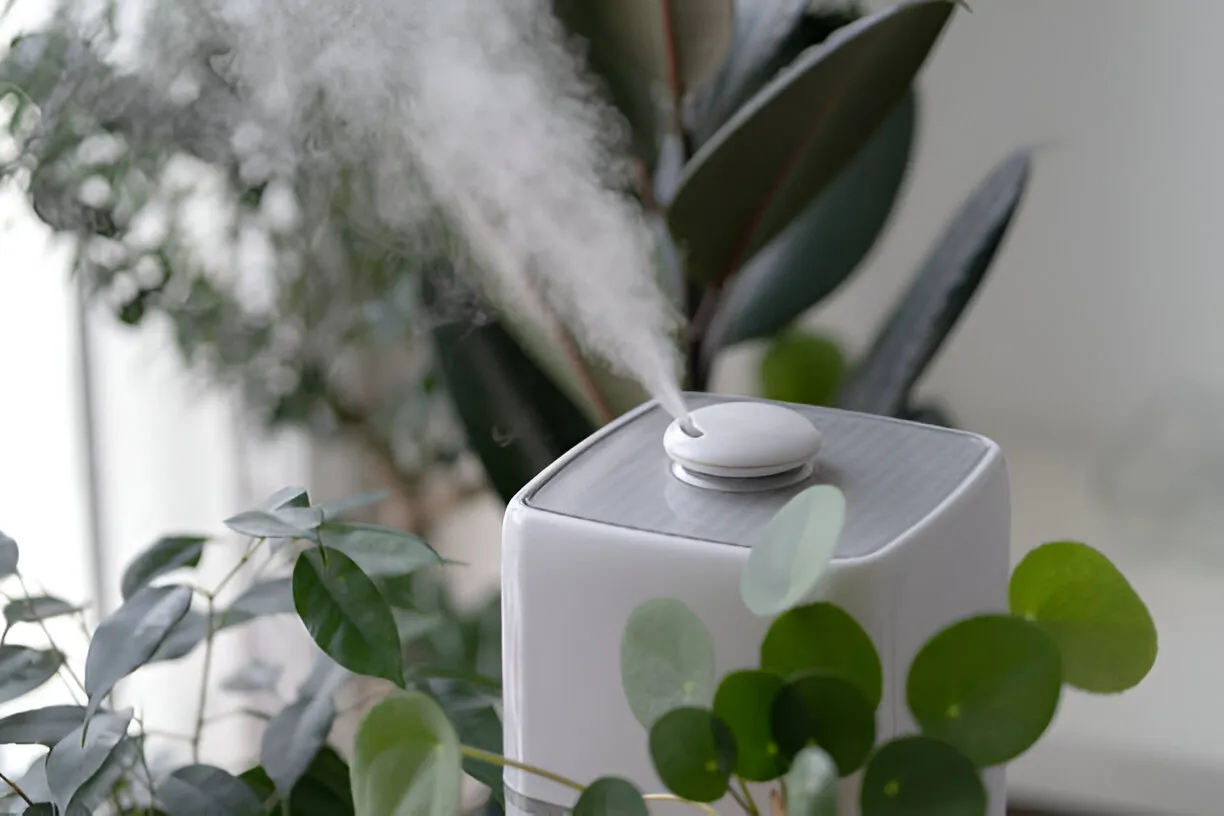
Why Willis homeowners think about whole house dehumidification
- Willis and Montgomery County regularly experience high outdoor humidity, especially May through September. That moisture infiltrates homes and raises indoor relative humidity.
- Central air conditioners remove some moisture while cooling, but when homes are oversized for AC needs or when outdoor humidity remains very high, the system may cool without adequately dehumidifying.
- Elevated indoor humidity leads to mold and mildew growth, musty odors, condensation on windows and exterior walls, and increased dust mite populations. It can also make homes feel sticky and uncomfortable, even at normal thermostat settings.
- Whole-house dehumidification targets humidity directly, allowing you to maintain healthy indoor relative humidity levels without overcooling the home.
How whole house dehumidifiers work with central ACA properly installed whole-house dehumidifier integrates into your existing HVAC system and removes moisture from the system air stream before conditioned air is distributed throughout the home.
Typical integration approaches include:
- Inline duct-mounted dehumidifiers installed on the supply or return near the air handler. These units condition the air moving through the ducts and discharge drier air into the central distribution.
- Bypass dehumidifiers that draw return air, dehumidify it in a dedicated cabinet, then return dry air to the air handler or supply plenum.
- Dedicated dehumidification coils or modules installed alongside the evaporator coil on some advanced systems.
Key functional points:
- Dehumidifiers pull air across a cold evaporator coil so moisture condenses and is drained away. The dehumidified air is then reheated slightly by the unit s compressor or the home s air handler and returned to the duct system.
- Many whole-house units integrate with the home thermostat or include a dehumidistat so humidity setpoints are maintained automatically. Smart controls allow independent humidity control without forcing the AC to run continuously.
- Because they manage moisture directly, whole-house dehumidifiers can reduce the need to overcool your home to control humidity. That often results in improved comfort and potential energy savings.
Benefits specific to Willis, TX homes
- Mold and mildew prevention: High humidity is the most common trigger for indoor mold growth in our region. Maintaining relative humidity between 45 percent and 55 percent prevents most mold species from thriving on common household surfaces.
- Comfort without overcooling: In humid climates a home feels cooler at lower relative humidity. With dehumidification you can raise the thermostat a couple degrees while feeling the same level of comfort, which reduces overall cooling runtime when managed correctly.
- Protects structure and contents: Wood floors, cabinets, musical instruments, and drywall all suffer when indoor humidity stays elevated season after season. Moisture control preserves finishes and reduces warping, staining, and fastener corrosion.
- Improved indoor air quality: Lower humidity reduces dust mite populations and suppresses biological growth. This leads to fewer allergy triggers and less musty odor in Willis area homes.
- Reduced HVAC strain: When humidity is managed separately, the central AC focuses on temperature control. This can improve dehumidification performance while reducing short cycling and wear on the cooling system when sized or operated incorrectly.
Sizing and selecting the right system for your homeChoosing the right whole-house dehumidifier requires more than picking the highest pints per day rating. Factors to consider include home size, layout, envelope tightness, occupancy, typical interior moisture sources, and local climate conditions.
Key considerations:
- Capacity ratings: Whole-house units are rated in pints per day under specific test conditions. Typical residential units range from 30 to over 100 pints per day. For Willis homes, where outdoor humidity is high, many homes benefit from units in the 50 to 90 pints per day range depending on house size and air leakage.
- Home size and layout: Larger homes, open floor plans, and two-story homes may need a higher capacity unit or multiple dehumidifiers to maintain even humidity. Crawl spaces and finished basements often require separate attention.
- Airflow compatibility: The dehumidifier must be matched to existing air handler and duct static pressure. Proper airflow through the dehumidifier is required for rated performance.
- Operating profile: If you spend more time at home, have a large family, or use moisture-generating appliances frequently, plan for higher capacity. Homes with frequent showering, many indoor plants, or indoor laundry drying will need additional dehumidification capacity.
- Local climate: In Willis, seasonal humidity spikes, frequent thunderstorms, and Gulf moisture intrusion mean sizing should allow for sustained operation during high humidity periods without overworking the unit.
Why a professional load and moisture analysis mattersA load calculation for cooling capacity should be paired with a moisture load analysis for accurate dehumidifier sizing.
This looks at:
- Envelope details: insulation, window types, and air leakage.
- Building orientation and shading.
- Number of occupants and typical occupant behavior.
- Heat and moisture loads from kitchens and bathrooms.
- Crawl space or basement moisture intrusion.
Van Eddies Heating & Air Conditioning uses local experience and diagnostic tools to recommend a system that matches your home's needs rather than oversizing or undersizing.
Installation and ducting considerationsA correct installation ensures performance, reliability, and long-term satisfaction.
Key installation points for Willis homes include:
- Location: Whole-house units are typically installed adjacent to the air handler, in a mechanical closet, attic space with proper access, or a conditioned utility area. The location should allow for airflow routing, electrical connection, and condensate piping.
- Duct connection: Units may be connected to the supply, return, or both. Supply-side installations dehumidify air before it reaches living spaces. Return-side or bypass systems draw moist return air, remove moisture, and then reintroduce drier air to the air handler. Properly sealed transitions and short duct runs help maintain efficiency.
- Access for maintenance: The unit should be positioned so filters, coils, and electrical components are serviceable without complicated disassembly. Good access reduces long-term maintenance costs and downtime.
- Electrical and controls: Whole house units require a dedicated circuit sized to the unit s electrical draw. Controls are integrated with the thermostat or use a separate dehumidistat. Smart integration options allow humidity monitoring and scheduling.
- Condensate drainage: Proper slope, trap, and drain sizing prevent backups and reduce risk of water damage. Where gravity drainage is not possible an approved condensate pump is required. In cold months or poorly insulated spaces, ensure condensate lines are protected against freezing or siphoning.
Condensate management best practicesCondensate management is critical in humid climates.
Common considerations include:
- Trap and vent design: Installing a trap prevents air drawn into the drain line from affecting unit performance. Vents or cleanouts at appropriate points ease service.
- Drain materials and slope: Use durable materials with a continuous slope to a permitted drain point. Avoid long horizontal runs that encourage standing water.
- Pump selection: For installations in basements or attics where gravity drainage is unavailable, select a condensate pump rated for continuous duty and local code requirements.
- Secondary protection: Condensate overflow switches or auxiliary pans with float switches are recommended where leaks could damage finished areas. These devices can shut down equipment if a drain becomes clogged, preventing water damage.
- Regular flushing and inspection: Periodic cleaning prevents algae and biofilm buildup in drain lines. In Willis climates, frequent inspection during the high humidity season reduces the risk of clogs.
Maintenance and service scheduleMaintaining a whole-house dehumidifier ensures consistent humidity control and reduces operating costs.
Recommended maintenance tasks and frequencies:
- Monthly or quarterly: Check and change filters if the unit uses a filter. Inspect condensate line visually and flush as needed. Verify the dehumidistat or humidity control is operating properly.
- Biannually: Clean the evaporator coil and condensate pan. Inspect electrical connections and the condensate pump operation if present. Check duct connections for sealing and make sure airflow is within the manufacturer s recommended range.
- Annually: Perform a full system inspection during the shoulder seasons before heavy humidity months. This includes measuring humidity performance, checking refrigerant levels if applicable, verifying compressor operation, and confirming the unit meets rated capacity.
- Troubleshooting signs: If the unit runs constantly without lowering humidity, or if you see excess condensation on windows after the unit runs, schedule a diagnostic check. Also watch for unusual noises or leaks.
Expected energy impacts and cost considerationsWhole-house dehumidification affects energy use in several ways. Understanding the tradeoffs helps homeowners make informed decisions.
- Added electrical use: Dehumidifiers use electricity to run compressors and blowers. Typical whole-house units draw between a few hundred and over 1000 watts depending on capacity and model. This is an additional load when the unit operates independently of the central AC.
- Reduced AC runtime: By actively removing moisture, dehumidifiers let homeowners feel comfortable at higher thermostat settings. Raising the cooling setpoint by 1 to 3 degrees can reduce AC energy use enough to offset some or all of the dehumidifier electrical consumption in many cases.
- Improved thermostat behavior: When humidity is controlled independently, the central AC can run longer, slower cycles that remove heat more efficiently without short cycling. This often improves system efficiency and reduces compressor wear.
- Net energy picture: In Willis, where humidity load is large, the best approach is targeted dehumidification paired with proper thermostat and control strategies. A properly sized system often produces net comfort and efficiency gains. Exact energy impacts vary by home, equipment efficiency, and occupant behavior.
Practical guidance on efficiency and savings
- Use a dehumidistat or smart thermostat to coordinate the dehumidifier and AC. Avoid running both at full capacity unnecessarily.
- Aim for a relative humidity of 45 percent to 55 percent. This range controls mold and dust mites while avoiding excessively dry air that wastes energy and feels uncomfortable.
- Maintain your HVAC equipment. Clean coils and filters improve both cooling and dehumidification efficiency.
- Consider heat recovery ventilation if you need fresh air exchange in a tightly sealed home. Ventilation introduces outdoor humidity, so pairing it with dehumidification keeps indoor levels stable.
How dehumidification improves indoor air qualityHumidity control is a foundational element of indoor air quality management.
Specific IAQ improvements include:
- Mold and mildew control: Most molds become problematic above 60 percent relative humidity. Reducing humidity prevents surface condensation and spores from settling and growing.
- Reduced allergens: Dust mites and certain bacteria thrive in high humidity. Lowering relative humidity decreases their activity and population.
- Odor reduction: Musty smells commonly stem from damp surfaces and organic matter. Dehumidification reduces those odors by keeping building materials and finishes dry.
- Protection for sensitive occupants: People with asthma or allergies often report fewer symptoms when humidity is controlled. Lower humidity also minimizes volatile organic compound interactions that sometimes worsen indoor air quality.
Common problems whole-house dehumidifiers solve in Willis homes
- Persistent musty odors in basements, closets, or bathrooms.
- Window and wall condensation during warm, humid months.
- Visible mold or mildew on trim, shower grout, or stored items.
- Sticky or clammy indoor feel despite normal thermostat readings.
- Excessive runtime of central AC without noticeable humidity reduction.
System selection checklistWhen evaluating whole-house dehumidification options, use this checklist to guide decisions:
- Is the unit AHRI or manufacturer certified and sized for whole-house use?
- Does the unit offer a compatible control strategy with your existing thermostat or air handler?
- Are condensate management and drainage solutions appropriate for the installation location?
- Does the installer provide a moisture load analysis and test results after installation?
- Are replacement filters and maintenance parts readily available, and can the unit be serviced without special access challenges?
Common installation types and their pros and cons
- Duct-mounted supply-side installation
- Pros: Drier air enters living space directly and distributes uniformly.
- Cons: Requires careful placement and duct sealing to prevent rehumidification.
- Return-side or bypass installation
- Pros: Easier access to return ducts and often simpler to service.
- Cons: May require more careful airflow balancing.
- Stand-alone closet or garage-mounted unit
- Pros: Easier install in some homes, isolates maintenance.
- Cons: Requires ductwork to move dry air into living spaces, potential heat addition to the utilitiy area.
- Built-in manufacturer matched modules
- Pros: Integrated controls and matched performance with existing equipment.
- Cons: Often more expensive to replace but can deliver better long-term compatibility.
Regulatory and building considerations in Texas
- Drainage and plumbing codes: Local codes may specify condensate routing to approved drains, floor drains, or exterior points. Proper venting and trap design prevents odors and cross-contamination.
- Electrical requirements: Whole-house units typically require a dedicated circuit. Panels should have adequate capacity for long-term safe operation.
- Permitting: Some installations, especially in new construction or when modifying ductwork significantly, may require a permit or inspection. Verify local requirements when planning installation.
Installation quality mattersA whole-house dehumidifier is as good as its installation. Proper sizing, duct sealing, correct condensate handling, and professional integration with control systems ensure the unit performs as expected. Van Eddies Heating & Air Conditioning emphasizes proper diagnostics, local climate experience, and proven installation practices to deliver reliable moisture control for Willis homes.
Maintenance tips for homeowners
- Monitor indoor humidity with the unit s built-in control or an independent hygrometer.
- Keep supply and return grilles and filters clean to maintain airflow.
- Inspect condensate lines seasonally and clear any algae or sediment.
- Schedule annual or biannual inspections to ensure coils, fans, and compressors are performing.
- Track performance seasonally so you know when humidity control is slipping and can schedule service before mold or material damage develops.
Long-term value and home preservationInvesting in whole-house dehumidification protects the value of a home in humid climates like Willis. Controlling moisture reduces the need for mold remediation, wood repair, and replacement of moisture-damaged finishes. It also helps preserve energy efficiency by allowing the central air conditioner to operate more effectively. For homeowners seeking to improve comfort, protect health, and safeguard their investment, a well-designed dehumidification system offers a strong long-term payoff.
Maintenance Plan
Heat Pump/ AC Tune-Up

Furnace Tune-Up
Customer Testimonials