



Whole House Humidification in Lake Conroe, TX



Proper indoor humidity is a hidden but powerful factor in home comfort, health, and preservation. For homes around Lake Conroe, TX, where summers are humid and winters can become surprisingly dry inside, a professionally designed whole house humidification system helps stabilize indoor relative humidity year round. Van Eddies Heating & Air Conditioning provides guidance on system types, sizing, integration, seasonal use, maintenance, energy impacts, and typical service and warranty considerations so you can make a confident decision about whole-house humidification in Lake Conroe, TX.
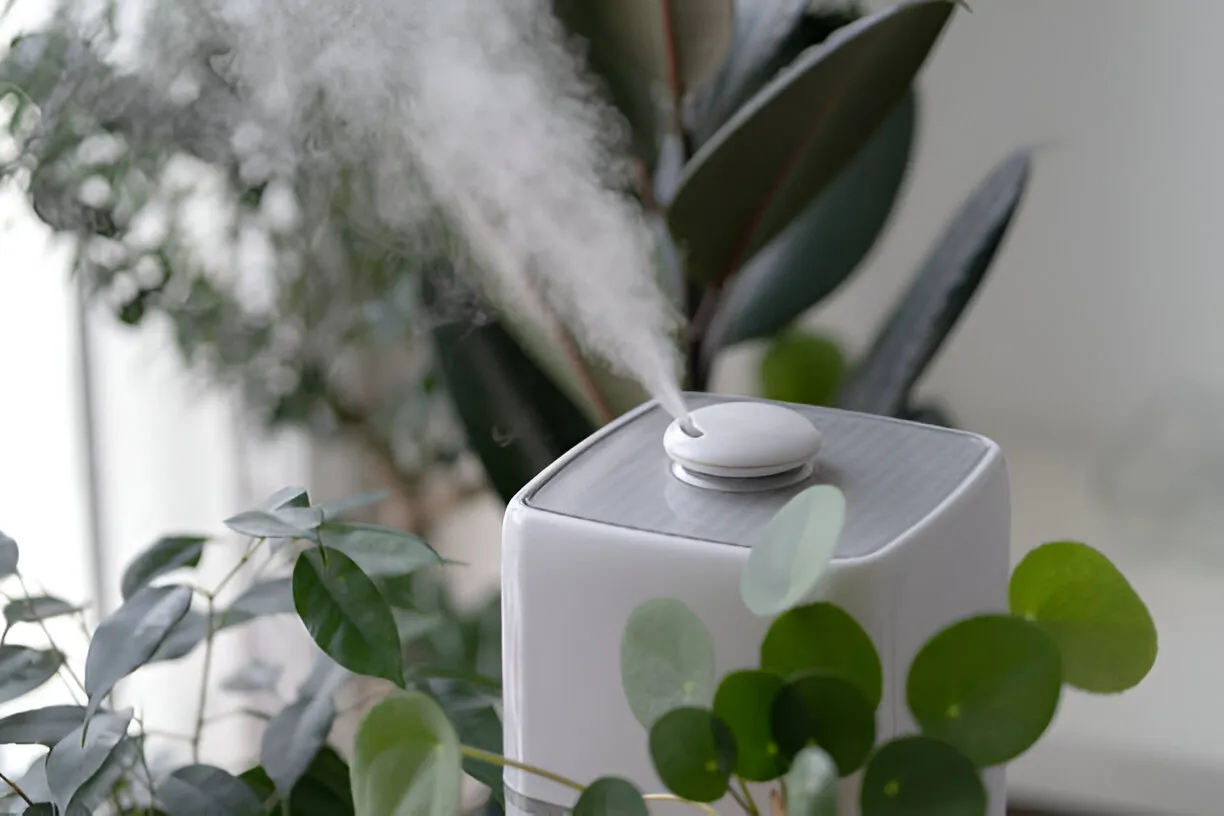
Why whole house humidification matters in Lake Conroe homes
Lake Conroe sits in a humid subtropical climate. Outdoor humidity is often high during summer, but indoor humidity can still fall well below comfortable levels in winter when heating systems run. Common winter symptoms Lake Conroe homeowners report include:
- Dry, itchy skin and irritated airways.
- Static shocks and increased dust.
- Cracked or shrinking hardwood floors, trim, and furniture.
- Stuffy or sore throats, especially for children and older adults.
- Increased susceptibility to colds and respiratory discomfort.
A whole house humidifier addresses these issues by adding controlled moisture to the entire living space through your existing HVAC system. Unlike portable units that only affect one room, whole-house systems maintain consistent humidity distribution, protect wood finishes and instruments, reduce static, and can improve perceived warmth so heating systems do not have to run as long.
Whole-house humidifier types: evaporative and steam explained
Choosing the right technology depends on home tightness, existing HVAC equipment, budget, and desired control precision. The two primary whole-house options are evaporative and steam humidifiers.
- Evaporative humidifiers (bypass and fan-powered)
- Bypass humidifiers use the furnace or air handler fan to pull warm air through a water-soaked pad or media. They are energy efficient and simple, performing well in homes with consistent airflow. They do not require significant electrical power and typically have lower operating costs.
- Fan-powered evaporative units include a small fan to force air through the media, providing faster moisture output and more independence from the furnace blower. They are a good option when you need higher output or when the furnace fan runs intermittently.
- Benefits: lower energy use, simple plumbing, effective for many single-family homes.
- Limitations: performance depends on supply air temperature and airflow; may struggle to meet very tight homes needs or quick humidity recovery.
- Steam humidifiers (centrifugal or steam-in-plenum)
- Steam humidifiers generate steam electrically or using a heating element and inject the steam directly into the ductwork or supply plenum. They deliver precise, rapid humidity control and are less dependent on airflow or supply air temperature.
- Benefits: highest control precision, suitable for tightly sealed newer homes, compatible with all HVAC types including heat pumps, fast response time.
- Limitations: higher upfront and operating costs, require dedicated electrical circuit and condensate/drain arrangements, more complex installation.
Which is right for Lake Conroe homes? Many older or conventional homes with central gas furnaces are well served by evaporative bypass or fan-powered units. Newer tightly sealed construction or homes with heat pumps and ducted mini-splits often benefit from steam humidification for reliable control without sacrificing comfort.
How to size a whole-house humidifier
Correct sizing ensures the system can reach and maintain your target relative humidity (RH) without overworking. Sizing is not a one-size-fits-all number; it considers:
- Home square footage and ceiling height (total living volume).
- Air leakage and insulation level (tight new homes require less moisture).
- Typical winter indoor/outdoor temperature differences.
- Desired indoor RH (commonly 40 45 percent during winter in Lake Conroe).
- HVAC system type and airflow capacity.
General guidance:
- Calculate approximate home volume: square feet times ceiling height.
- Assess home tightness: older homes may need 20 to 40 percent more capacity than new construction.
- Match humidifier output rating (gallons per day) to the calculated need: small homes might use a 10 to 12 gallon per day unit; medium homes often need 12 to 18 gpd; larger or leaky homes can require 18 to 30 gpd or more. Steam systems offer modular capacity that can be scaled.
A professional assessment from Van Eddies Heating & Air Conditioning will consider all variables and recommend a unit sized to maintain target RH without frequent on/off cycling.
Installation and integration with existing HVAC controls
Proper installation matters for performance, control accuracy, and long-term reliability. Key integration steps include:
- Physical placement
- Evaporative units are commonly installed on the furnace or air handler supply or return plenum, or inline in the duct. Bypass units require a return-to-supply duct connection.
- Fan-powered and steam units are typically installed in the supply plenum to ensure even distribution.
- Water supply and drainage
- Both types require a cold water connection. Evaporative units use flow through a media pad and drain to carry minerals away. Steam units need a reliable water feed and often require a condensate drain or neutralization for hard water.
- Electrical and controls
- Steam humidifiers usually require a dedicated electrical circuit. Evaporative units often tap into existing low-voltage control circuits.
- Integration with the HVAC control system includes a humidistat or integrated control that interacts with the furnace/air handler and, if applicable, the thermostat. Smart humidistats and home automation-friendly controllers allow scheduling, remote monitoring, and better coordination with HVAC cycles.
- Humidistat placement
- Location of the humidity sensor affects accuracy. Place the humidistat in an interior living space away from direct sunlight, doors, kitchens, bathrooms, and the supply vents to avoid false readings.
- Ductwork modifications
- Bypass installations require a properly sized bypass duct and dampers. Steam units need secure injection points into supply air to prevent condensation in the wrong places.
Van Eddies Heating & Air Conditioning follows manufacturer installation recommendations and local codes to ensure safe, effective integration with your existing HVAC system.
Seasonal operation and best practices for Lake Conroe
Whole-house humidification in Lake Conroe should be managed seasonally for comfort, health, and to prevent moisture-related problems.
- Winter operation (primary use)
- Run humidification during the heating season when indoor RH tends to drop. Aim for 40 to 45 percent RH for comfort and to reduce cold-air discomfort without causing condensation on single-pane windows or cold surfaces.
- Monitor outdoor temps: lower outdoor temperatures mean indoor air must be kept at lower RH to prevent window condensation. For example, RH of 40 percent at 68 F is usually safe; at much colder exterior temps, a slightly lower RH may be advisable.
- Spring and summer
- In Lake Conroe, outdoor humidity becomes high in spring and summer. Central air conditioning dehumidifies as it cools, so whole-house humidification is generally turned off during cooling months. Running a humidifier while the AC is running can overload the air conditioner and cause discomfort, mildew, and equipment stress.
- Some advanced controls interlock with the air conditioner to prevent simultaneous humidifier and AC operation.
- Transitional seasons
- Use a programmable humidistat or smart controller to set seasonal schedules. This ensures humidification runs only when appropriate and avoids excess moisture when outdoor humidity rises.
Energy considerations and comfort trade-offs
Adding humidity affects perceived temperature and HVAC energy use in several ways:
- Perceived warmth
- Moist air feels warmer than dry air at the same temperature. Maintaining slightly higher indoor RH in winter can allow you to lower thermostat setpoints by one or two degrees without sacrificing comfort, potentially reducing heating runtime.
- System load
- Evaporative humidifiers rely on warm supply air and have minimal electrical draw. Steam humidifiers consume more energy to vaporize water but provide rapid, accurate humidity control, which may save overall heating energy by enabling tighter RH control.
- In homes with heat pumps, humidification must be staged correctly to avoid impacting defrost cycles or creating condensation in the system.
- Water quality and treatment
- Hard water near Lake Conroe can cause scale formation on humidifier components, especially steam electrodes and evaporative pads. Installing water treatment options, softening, or scale-reduction hardware can increase efficiency and reduce maintenance needs.
In most cases, the comfort and preservation benefits of whole-house humidification outweigh the modest energy costs when systems are properly sized and controlled.
Common issues and how to avoid them
Knowing what can go wrong helps prevent problems before they start. Typical whole-house humidification issues and remedies include:
- Over-humidification and condensation
- Problem: Visible condensation on windows, damp spots, or mildew.
- Fix: Adjust humidistat down, relocate sensor, ensure interlocks with AC, or use a more precise control such as a smart humidistat that factors outdoor temperature.
- Scale and mineral buildup
- Problem: Reduced output, clogged nozzles, or shortened component life.
- Fix: Regular pad replacement for evaporative units, routine descaling of steam canisters, and considering water treatment options.
- Odors or microbial growth
- Problem: Musty smell from stagnant water or dirty media.
- Fix: Annual cleaning, media replacement, and use of antimicrobial pads or UV options if recommended by the manufacturer.
- Inadequate humidity distribution
- Problem: Some rooms remain dry while others seem fine.
- Fix: Verify proper ductwork and airflow, confirm correct humidifier location, and ensure balanced HVAC distribution. Zoning and multiple duct runs can affect performance.
- Noise and vibration
- Problem: Fan noise or vibration in fan-powered units.
- Fix: Proper mounting, isolation pads, and securing duct connections.
Timely maintenance and professional tuning reduce the likelihood of these issues and preserve system life.
Maintenance and seasonal checklist
A practical, simple maintenance routine keeps your humidifier running efficiently and safely:
- Before winter season
- Inspect humidistat placement and calibrate if necessary.
- Replace evaporative pads/media yearly or per manufacturer schedule.
- Clean steam canister and descale electrodes as recommended.
- Verify water supply and drain lines are free of obstructions.
- Test interlocks with the air conditioner and thermostat.
- Mid-season
- Visual inspection for leaks, odors, or unusual noise.
- Check and clean nearby duct areas to prevent dust buildup.
- End of season
- If you will not use the system in summer, shut off and drain line if recommended.
- For steam units, follow manufacturer guidance on winterization if home will be vacant.
A professional tune-up from Van Eddies Heating & Air Conditioning includes inspection, cleaning, and component replacement recommendations to keep systems performing reliably.
Installation timeline and what to expect
A standard whole-house humidifier installation typically follows these steps:
- On-site assessment to confirm system type, size, and placement.
- Prepare plumbing and electrical connections: water line, drain line, and electrical circuit for steam if applicable.
- Install unit on the furnace or supply plenum, create necessary duct connections, and mount controls/humidistat.
- Commission the system: test output, calibrate humidistat, and verify interlocks with thermostat and air conditioning.
- Provide homeowner orientation on seasonal settings, maintenance needs, and troubleshooting tips.
Install time varies by home complexity and chosen technology but is commonly completed within a single day for typical residential installations.
Service and warranty considerations
Manufacturer warranties vary by brand and model and typically cover parts for a specified period. Installation workmanship warranties protect against improper installation issues. Points to consider:
- Registering the product with the manufacturer often extends or activates full warranty coverage.
- Routine maintenance is usually a condition of maintaining warranty validity. Keep service records.
- Professional installation by a licensed company ensures compliance with local codes, safe electrical work, and proper plumbing and drain setup.
- Van Eddies Heating & Air Conditioning provides experienced installation and maintenance knowledge specific to Lake Conroe area homes and can advise on manufacturer warranty terms, typical service intervals, and long-term care.
Choosing a system: decision checklist
Use this checklist to evaluate whole-house humidification options for Lake Conroe homes:
- Do you have central ducted HVAC? If yes, whole-house humidification is feasible; if not, consider alternative solutions.
- Is your home tightly sealed or newer construction? If yes, steam humidification may be more appropriate.
- Do you have a heat pump or non-furnace heating system? Steam humidifiers often work better with heat pump systems.
- What is your home volume and leakage profile? Larger or leakier homes need higher capacity.
- How important is precise control? Steam units offer the best precision.
- Are mineral deposits a concern? Hard water areas benefit from water treatment or steam systems designed for scaling resistance.
- What is your maintenance preference? Evaporative pads require regular replacement; steam requires periodic descaling and electrical checks.
Answering these questions helps narrow choices and aligns expectations for performance and ongoing care.
Broader benefits beyond comfort
Whole-house humidification delivers benefits that protect both people and property:
- Protects wood floors, cabinetry, musical instruments, and trim from shrinkage and cracking.
- Reduces static electricity that can damage electronic equipment or cause discomfort.
- Improves sleep quality and reduces irritation of nasal passages, especially for children and older adults.
- Can reduce the spread of some airborne illnesses by maintaining healthier mucous membrane conditions.
- Enhances perceived warmth, potentially lowering heating runtimes and increasing seasonal comfort.
These advantages make humidification a practical long-term investment in home preservation and occupant well-being in the Lake Conroe region.
Maintenance Plan
Heat Pump/ AC Tune-Up

Furnace Tune-Up
Customer Testimonials