



Whole House Humidification in Lake Nona, FL



Keeping indoor humidity in the right range is essential to comfort, health, and protecting your home. For homeowners in Lake Nona, FL, where tight new construction, high-efficiency HVAC equipment, and year-round air conditioning create unique indoor air dynamics, a professionally designed whole house humidification system can resolve dry-air problems without creating moisture-related risks. Van Eddies Heating & Air Conditioning installs, integrates, and services whole-house humidifiers designed specifically for Florida homes, with attention to local climate realities, water quality, and HVAC compatibility.
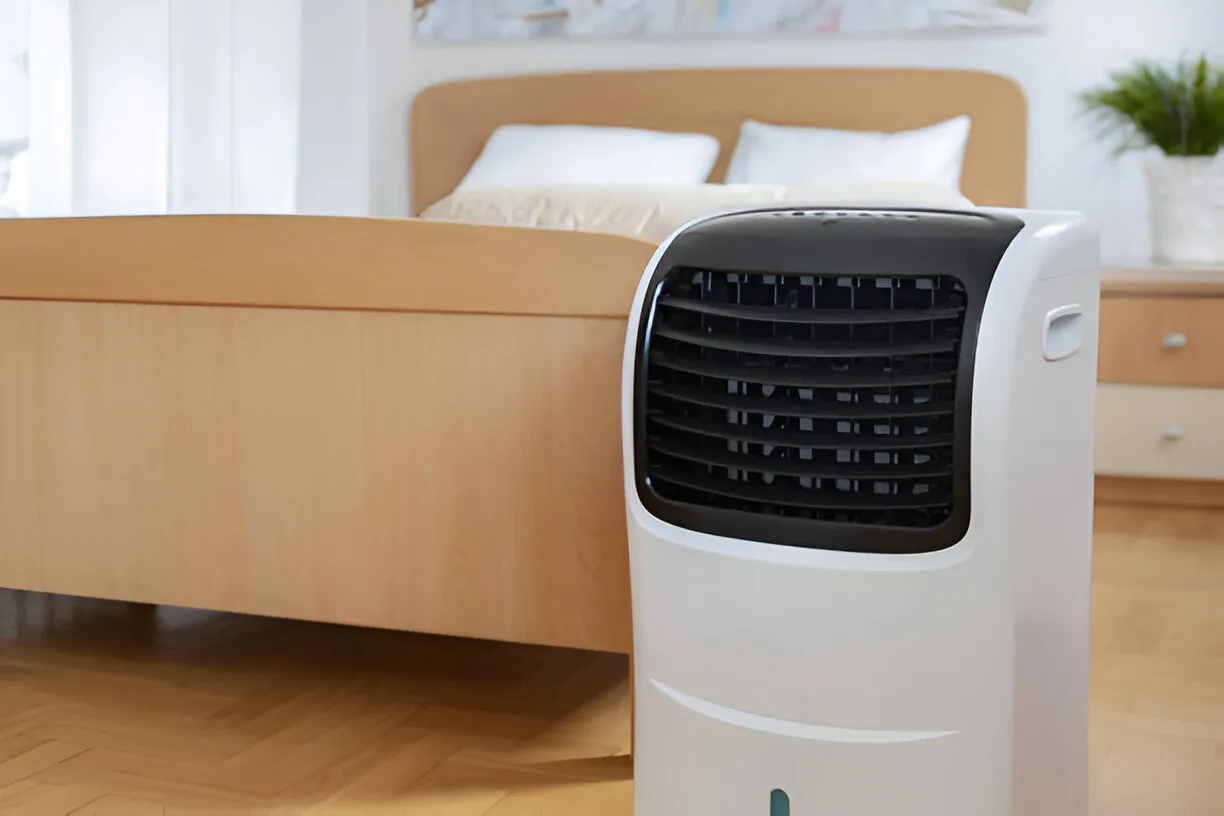
Why whole house humidification matters in Lake Nona homes
Although Florida is often associated with high outdoor humidity, indoor conditions can still become uncomfortably dry and cause problems:
- Modern, well-sealed Lake Nona homes and new construction limit uncontrolled air exchange, which can lead to lower indoor relative humidity during periods when HVAC runs frequently or during cooler, less humid weather.
- High-efficiency air conditioning and dehumidification cycles can overcorrect indoor moisture in some rooms, causing dry skin, irritated sinuses, scratchy throats, and static electricity.
- Wood elements, musical instruments, and certain finishes can suffer from repeated low-humidity exposure.
- Residents with respiratory sensitivities, allergies, or eczema may notice symptoms worsen with persistently low indoor humidity.
A correctly specified whole house humidifier keeps indoor relative humidity in the target comfort band without creating conditions that encourage mold or dust mite growth. Van Eddies Heating & Air Conditioning balances the need for moisture with Lake Nona’s warm climate to deliver year-round comfort.
Types of whole house humidification: evaporative vs steam
Choosing the right type of humidifier depends on your home size, existing HVAC system, water quality, budget, and how much humidity you need to add.
- Evaporative humidifiers
- How they work: Evaporative or drum-style units use a water panel or pad that air passes over; the air picks up moisture through evaporation and is distributed through the duct system.
- Pros: Lower upfront cost, energy efficient when paired with the furnace or air handler, simpler maintenance for many homeowners.
- Cons: Pads need regular replacement; performance varies with airflow and temperature; mineral buildup occurs with hard water.
- Best for: Most residential applications where moderate humidity increases are required and where budget sensitivity is a factor.
- Steam humidifiers
- How they work: Steam units heat water to produce steam, which is injected into the HVAC airflow or plenum. They provide precise humidity control and fast response.
- Pros: High output, excellent control in large or very tight homes, less affected by airflow or temperature fluctuations, lower risk of wet spots in ducts if properly installed.
- Cons: Higher initial cost, require electrical capacity and professional installation, greater sensitivity to water quality unless treated.
- Best for: Large homes, houses with very low baseline humidity, or applications where fast, consistent humidity control is required.
Van Eddies Heating & Air Conditioning evaluates your Lake Nona home to recommend the optimal type and model based on actual load requirements and water characteristics.
Common whole house humidification issues in Lake Nona homes
Understanding common issues helps homeowners recognize when professional assessment is needed:
- Over-humidification: Excessive indoor humidity encourages mold growth and condensation on windows and in crawl spaces—especially risky in warm, coastal-adjacent Florida climates.
- Mineral buildup and scale: Hard water leaves scale on pads, electrodes, and steam generation components, reducing efficiency and increasing service needs.
- Clogged drain lines or float-valve problems: Poor drainage can cause leaks or shutdowns.
- Inadequate output: Wrong-sized units, low airflow through the HVAC system, or improperly set controls can leave rooms dry.
- Sensor or control failure: Malfunctioning humidistats or improperly placed sensors give inaccurate readings.
- Noisy operation: Improper installation, loose components, or mineral deposits can cause abnormal sounds.
Proper siting, sizing, installation, and maintenance reduce these risks and prolong reliable service life.
How we diagnose humidity needs and plan installation
A reliable whole-house humidification installation begins with a comprehensive assessment:
- Home inspection: We inspect the building envelope, HVAC equipment, duct layout, windows, doors, and areas prone to condensation or humidity problems.
- Airflow and distribution analysis: Sufficient and balanced airflow is essential for evaporative systems to disperse moisture evenly. We measure supply and return flows and identify rooms at risk of imbalance.
- Humidity measurement: We record indoor relative humidity at multiple points and at different times to understand patterns affected by daily AC cycles or weather changes.
- Water quality testing: Lake Nona water supply mineral content varies; we assess hardness and recommend water treatment or scale-control measures where required.
- Load and sizing calculation: We calculate the humidification output required to reach a target indoor relative humidity under typical local conditions and select a system capacity that avoids underperformance or excessive cycling.
- Compatibility check: We verify that the chosen humidifier integrates correctly with your furnace or air handler, controls, and existing ventilation systems.
This diagnostic process ensures the installed system is matched to the home and avoids the common pitfalls that lead to poor performance.
Installation and integration with your HVAC system
A professional installation focuses on safety, performance, and aesthetic integration:
- Mounting and placement: Evaporative units are typically installed on or near the air handler with a bypass or fan-powered configuration to distribute moisture. Steam units are often mounted near the air handler with a steam distribution dome or direct plenum injection. Placement is chosen to minimize visible components and prevent condensate issues.
- Plumbing and drainage: A dedicated water line, float valves, and a properly pitched drain line are installed so excess water disposes safely. Backflow prevention and code-compliant connections are used where required.
- Electrical and controls: Steam humidifiers require a dedicated electrical supply; evaporative units may use low-voltage controls. We integrate humidistats, sometimes interfacing with smart thermostats for coordinated control.
- Humidistat placement and zoning: Sensor placement is critical. We locate humidistats away from direct drafts, supply registers, humidifier output, and unrepresentative rooms. Zoning considerations may require multiple control points or staged solutions.
- Commissioning and calibration: After installation, we calibrate controls, verify output across the duct system, and adjust settings to maintain target indoor relative humidity safely below thresholds that encourage condensation or mold growth.
- Documentation: The homeowner receives an overview of system operation, recommended setpoints for Lake Nona conditions, and maintenance guidance.
Van Eddies Heating & Air Conditioning follows manufacturer and code requirements, ensuring the humidifier integrates seamlessly with your existing HVAC system.
Sizing and water quality: why both matter
Proper sizing is critical. An undersized unit will never deliver comfortable humidity, while an oversized steam unit can be expensive and may complicate control. Sizing decisions consider:
- Home volume and envelope tightness
- Typical indoor setpoint and desired relative humidity
- Local outdoor conditions during the seasons when humidification is needed
- Number and type of occupants and activities that affect indoor moisture (e.g., frequent laundry indoors, number of showers)
- Air changes per hour and duct losses
Water quality influences both performance and maintenance:
- Hard water leads to scale on pads, electrodes, and steam generators. For Lake Nona, a water hardness test guides whether simple pad replacement is sufficient or if a scale management system, softening, or anti-scale cartridge is advised.
- Chlorinated or high-mineral water can shorten component life unless a treatment strategy is used.
- Where municipal water or well water has known issues, Van Eddies Heating & Air Conditioning recommends appropriate water treatment or select models designed to handle local water conditions.
Maintenance tasks and service intervals
Regular maintenance ensures reliable performance, extends equipment life, and protects warranties. Typical maintenance tasks include:
- Seasonal inspection and cleaning: Annual or biannual service to inspect for leaks, check electrical connections, and confirm proper operation.
- Replace evaporative pads or panels: Pads trap minerals and should be replaced at manufacturer-recommended intervals or sooner with hard water.
- Descale steam units: Electrodes, boils chambers, and distribution components may need routine descaling or replacement depending on water quality.
- Flush and inspect drain lines: Clear blockages and verify slope and connection integrity to prevent backups.
- Test and calibrate humidistat and sensors: Confirm accuracy and reposition sensors if needed.
- Check valves, solenoids, and float assemblies: Replace worn parts before failure causes overflow or shutdown.
- Inspect duct connections and moisture distribution: Verify that moisture is being evenly distributed and that no areas show signs of condensation.
Service intervals vary with system type and water hardness. In general, at least one professional inspection per year is advised; homes with hard water or heavy use may require more frequent attention. Van Eddies Heating & Air Conditioning recommends and provides tailored maintenance schedules based on the specific system and Lake Nona water profile.
Common repairs and professional solutions
When problems arise, targeted repairs restore performance while addressing root causes:
- Mineral buildup and reduced output: Professional descaling, pad replacement, or installation of anti-scale accessories.
- Leaks and plumbing failures: Replace failed valves, re-seat fittings, or reroute drains to meet code and prevent damage.
- Electrical or control failures: Replace relays, solenoids, or humidistats; rewire to correct voltage or control mismatches.
- Sensor malfunction or misplacement: Recalibrate or relocate the humidistat to a representative area.
- Integration issues with HVAC: Adjust controls or add interlocks so the humidifier runs only when airflow conditions are safe and drying risks are minimized.
- Over-humidification: Diagnose the cause—incorrect setpoints, failed sensor, or oversized unit—and correct controls or capacity.
Professional diagnosis uncovers whether a repair or replacement is the most cost-effective long-term solution.
Balancing humidification and dehumidification in Florida
A critical consideration for Lake Nona homeowners is avoiding excess indoor humidity. In a warm climate, over-humidification can be as harmful as too little moisture. Van Eddies Heating & Air Conditioning designs systems with safeguards:
- Target indoor relative humidity: We typically set controls to maintain comfortable levels without exceeding thresholds where condensation forms on windows or in wall cavities.
- Smart control integration: Modern systems can coordinate with the HVAC and dehumidification systems to maintain balance throughout seasonal shifts.
- Zoned or demand-based control: Some homes benefit from targeted humidification in sleeping areas or living spaces rather than whole-home continuous operation.
- Education and monitoring: We provide guidance on seasonal setpoint adjustments and how to interpret humidistat feedback to prevent moisture-related problems.
This balanced approach is particularly important in Lake Nona, where exterior humidity swings and air conditioning cycles can create transient indoor conditions.
Warranty, service agreements, and financing
Purchasing a whole-house humidifier involves system cost and long-term ownership responsibilities. Key warranty and purchasing considerations include:
- Manufacturer warranties: Most humidifier manufacturers back parts and core components with limited warranties. These can vary by model and are typically longer for steam units and premium models.
- Labor and installation warranty: Van Eddies Heating & Air Conditioning provides workmanship assurances for installations and repairs. Registration and timely maintenance often help ensure warranty coverage remains valid.
- Service plans and maintenance agreements: Regular professional inspections protect system performance and identify issues early. A maintenance agreement can include scheduled pad changes, annual commissioning, and priority service.
- Financing and payment options: For homeowners who prefer to spread the investment over time, financing through third-party lenders or in-house payment plans may be available. Options sometimes include deferred payments or low-interest plans depending on the provider and terms. Van Eddies Heating & Air Conditioning can outline typical program types and match options to homeowner preferences while ensuring compliance with financing requirements and local regulations.
Before purchase, homeowners should review manufacturer terms, ask about labor warranties, and confirm whether routine professional maintenance is required to keep warranties valid.
Health, comfort, and home-protection benefits
A properly controlled whole-house humidification system delivers measurable benefits:
- Improved respiratory comfort and reduced irritation: Balanced humidity helps keep nasal passages and skin hydrated, reducing coughing, congestion, and irritation for sensitive individuals.
- Protection for wood and furnishings: Proper humidity reduces cracking and warping of wood floors, doors, trim, and musical instruments.
- Reduced static electricity: Humidity in the recommended range minimizes static shocks and improves textile comfort.
- Perceived warmth and energy considerations: Proper humidity can make rooms feel warmer at lower thermostat settings during cooler periods, potentially reducing heating-related energy use where applicable.
- Better indoor air quality synergy: When coordinated with filtration and ventilation systems, a humidifier contributes to a more comfortable and healthy indoor environment.
All benefits are best realized when the humidifier is professionally sized, installed, and maintained to avoid over-humidification in Florida’s climate.
What to expect during a professional installation with Van Eddies Heating & Air Conditioning
A typical project with our team follows clear, professional steps:
- Detailed on-site assessment and humidity plan tailored to your Lake Nona home.
- Written scope describing the recommended humidifier type, model family, control strategy, and any water treatment or plumbing enhancements needed.
- Professional installation by trained technicians following manufacturer and code guidelines.
- System start-up, calibration, and demonstration of operation with the homeowner.
- Documentation of installed equipment, warranty registration assistance, and a personalized maintenance schedule.
Our experience in Orlando and Lake Nona neighborhoods ensures installations that account for local construction practices, typical ductwork layouts, and water quality considerations.
Maintenance Plan
Heat Pump/ AC Tune-Up

Furnace Tune-Up
Customer Testimonials