



Whole House Humidification in Oviedo, FL



Maintaining proper indoor humidity is a key but often overlooked part of home comfort and indoor air quality. In Oviedo, FL, where summers are humid and winters are mild but occasionally dry, a whole house humidification system can quietly protect your home, reduce health symptoms, and improve comfort when installed and managed correctly. Van Eddies Heating & Air Conditioning brings local experience and industry knowledge to whole-house humidification in Oviedo, FL, helping homeowners choose the right system, integrate it with their HVAC equipment, and keep it performing reliably year after year.
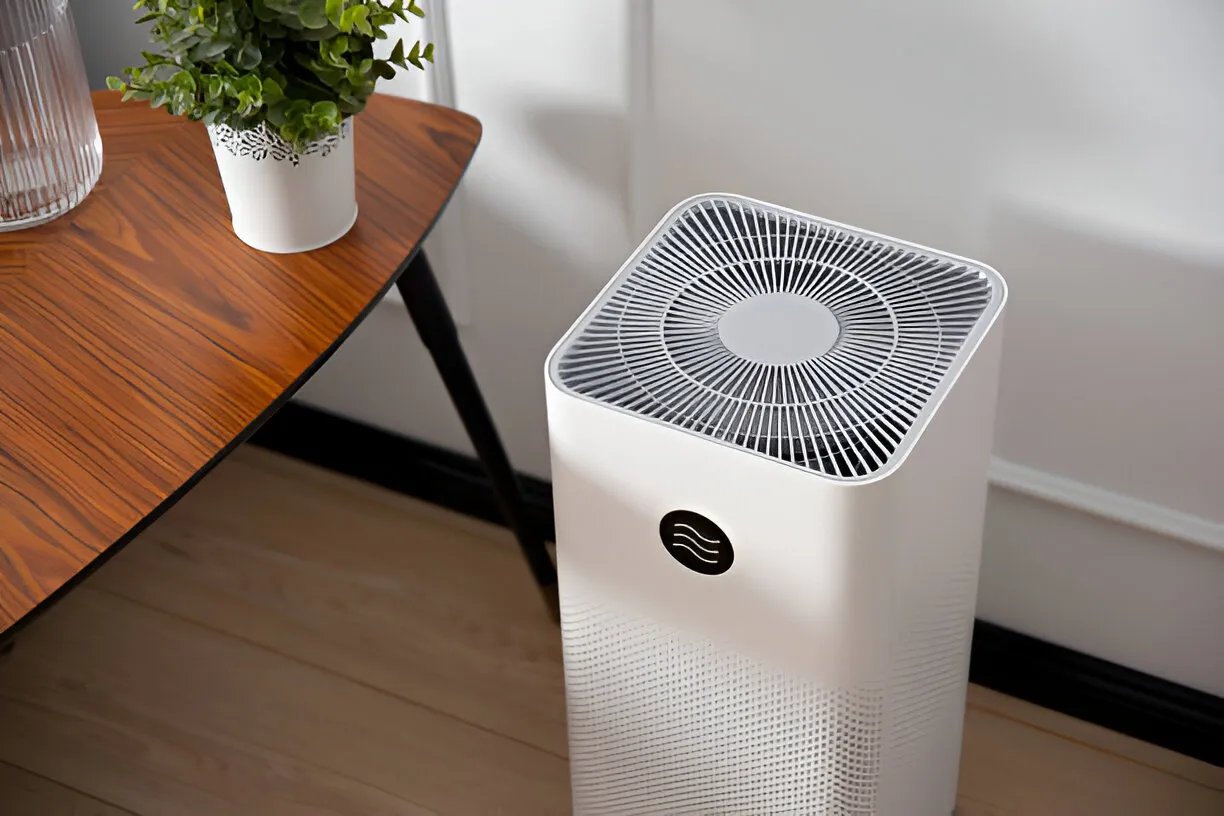
Why whole house humidification matters in Oviedo homes
On the surface, humidification might seem unnecessary in Central Florida because outdoor humidity is high much of the year. However, several common conditions in Oviedo homes make whole house humidification worthwhile for many homeowners:
- Central air conditioning and heat pump operation can create pockets of dry indoor air, especially at night or during transitional seasons when systems run intermittently.
- Modern, well-sealed homes and new insulation reduce natural air exchange, which can allow indoor air to become uncomfortably dry during occasional cool fronts or when heating is used.
- Wood floors, cabinetry, musical instruments, and paint finishes are sensitive to humidity swings and can crack, warp, or separate when humidity is too low.
- Residents with chronic nasal congestion, dry throat, skin irritation, or static electricity complaints often notice quick relief when relative humidity is kept within the recommended band.
Whole-house humidifiers deliver controlled moisture through your ductwork so humidity is balanced throughout living spaces, not just in one room. That makes them more effective for protecting the structure and improving health and comfort than portable units.
Common whole house humidification issues in Oviedo, FL
- Perceived over-humidification in summer because outdoor humidity is already high; systems need seasonal control and coordination with dehumidification.
- Scale and mineral buildup in steam and evaporative devices when water is hard.
- Coordination problems with heat pumps or dehumidifiers causing condensation or high indoor humidity if not properly integrated.
- Incorrect sizing or placement leads to uneven humidity or wasted energy.
- Lack of maintenance causing odors, mold growth in pads, or reduced output.
A properly specified system, installed and commissioned by a trained HVAC technician, avoids these pitfalls and maintains safe, comfortable humidity year-round.
Types of whole-house humidifiers and how they compare
Whole-house humidifiers fall into two primary categories: evaporative (bypass and fan-powered) and steam. Each has advantages and trade-offs depending on house size, water quality, and usage patterns.
Evaporative humidifiers
- How they work: Evaporative humidifiers use a water panel or pad. Air from the HVAC system passes across the wet pad, and moisture transfers into the supply air naturally.
- Common types:
- Bypass humidifier: Uses ductwork and airflow from the furnace or air handler. Relies on system airflow; quiet and energy efficient.
- Fan-powered humidifier: Includes a small fan to push air across the wet pad, producing higher output independent of HVAC airflow.
- Pros:
- Lower cost to install and operate than steam.
- Simple, reliable technology with inexpensive consumables (pads).
- Safe, since no boiling water is required.
- Cons:
- Output limited by airflow and pad saturation; may struggle in very tight, large homes.
- Pads require routine replacement and can harbor biological growth if neglected.
- Performance can be reduced by hard water causing mineral buildup.
Steam humidifiers
- How they work: Steam units electrically boil water to produce steam that is injected directly into the ductwork or air stream.
- Pros:
- High output and precise control — suitable for large homes, tight envelopes, or spaces requiring fast humidity recovery.
- Works independently of HVAC airflow, so it functions when the air handler is off.
- Less dependent on water quality for consistent moisture output, though scale management is required.
- Cons:
- Higher initial cost and electrical use.
- Requires careful installation, proper drain and overflow protection, and regular descaling.
- Slightly greater service complexity than evaporative units.
Which is right for your Oviedo home?
- Evaporative units are ideal for most single-family homes with typical humidity needs and moderate water quality.
- Steam is appropriate for large houses, homes with very dry indoor environments, or where tight control and fast recovery are essential.
- If your home already has whole-house dehumidification or you live in a mixed-humidity climate, system integration will drive the best choice.
Benefits of maintaining proper humidity
Keeping indoor relative humidity in the recommended range (generally 35 to 50 percent) delivers measurable benefits:
- Improved comfort: Air feels warmer at higher humidity, reducing the temptation to raise thermostat setpoints in winter.
- Respiratory health: Proper humidity keeps nasal passages and throat moist, which can reduce cold and allergy symptoms and make breathing easier during sleep.
- Protection for wood: Floors, furniture, and musical instruments are less prone to cracking, warping, or shrinking.
- Reduced static electricity: Dry air increases shocks and can damage electronics.
- Fewer dust and allergen problems: Proper humidity helps settle fine dust and can reduce airborne allergen activation.
- Potential energy effects: Correct humidity lets occupants feel comfortable at slightly lower thermostat settings in winter, which can reduce heating runtime.
In Oviedo, managing humidity also helps protect against conditions where temperature swings and AC cycling lead to local indoor dryness.
Integration with HVAC systems and thermostats
Effective humidification depends on coordinated controls and proper wiring:
- Humidistat control: Older systems used a standalone humidistat to control humidity. These still work but often lack advanced features like weather compensation.
- Smart thermostats: Modern thermostats with built-in humidity sensors and remote monitoring allow precise setpoints, scheduling, and integration with home automation.
- HVAC compatibility: Whole-house humidifiers connect to the air handler or furnace control board for power, airflow sensing, and fan coordination. Steam units require dedicated electrical circuits and sometimes a separate control module.
- Dehumidifier coordination: In Florida, dehumidification is often necessary in warmer months. A properly integrated system prevents the humidifier and dehumidifier from operating against each other and avoids condensation in the ductwork.
- Zoning and multi-zone systems: If your home has zoning dampers, controllers must coordinate humidification zones to avoid localized over-humidification.
- Safety interlocks: Controls should include low-water cutoffs, overflow protection, and condensation monitoring to prevent indoor moisture problems.
A trained installer will evaluate your HVAC system, thermostat capabilities, and home envelope to design the correct control strategy.
Sizing and placement considerations
Correct sizing avoids underperformance or excess humidity:
- Output capacity: Humidifiers are rated in gallons per day. Choose capacity based on home square footage, ceiling height, and building tightness. Typical recommendations: smaller homes 6-12 gallons/day, larger or high-performance homes 18+ gallons/day, and steam units for very large or tight homes.
- Target relative humidity: In Oviedo, aim for 35 to 45 percent during cooler months to protect wood and occupant comfort without encouraging mold. In some cases, lower setpoints are safer when outdoor humidity is high.
- Placement: Whole-house humidifiers are usually mounted on or near the air handler or furnace supply plenum for efficient distribution. Steam injectors may be installed in the return or supply duct with an appropriate dispersal location.
- Water supply and drainage: The unit requires a reliable cold water feed and a drain line sized for condensate or blowdown as directed by the manufacturer.
- Access for maintenance: Install in a location with clear access to replace pads, clean the cell or electrode, and service electrical connections.
A site survey will confirm the correct capacity and location to avoid wet ducts, uneven coverage, or interference with other equipment.
Typical installation process
Professional installation follows a predictable process designed to reduce disruption and ensure performance:
- Pre-installation assessment: Inspect the HVAC system, duct layout, accessibility, and water and electrical supply. Measure house volume and discuss homeowner humidity goals.
- System selection: Choose evaporative or steam unit and the correct capacity and control options.
- Preparation: Shut down HVAC power and prepare mounting location on the air handler or ductwork. Install a proper condensate drain access if needed.
- Mechanical installation: Mount the humidifier, connect water supply with a shutoff valve, and install the drain and overflow protection per code and manufacturer specifications.
- Electrical and controls: Wire the humidifier to the HVAC control board, thermostat/humidistat, and dedicated circuit if required for steam units. Configure control logic and safeties.
- Commissioning: Start the system, verify humidifier function, check for leaks, calibrate controls, and test integration with thermostat and HVAC equipment.
- Homeowner walkthrough: Explain seasonal operation, maintenance tasks like pad replacement, and how to read and adjust humidity settings.
- Documentation: Provide model details, recommended replacement parts, and warranty information.
A typical installation takes several hours to a full day depending on complexity and whether upgrades to electrical service or plumbing are needed.
Routine maintenance and seasonal controls
Proper maintenance keeps performance high and protects against mold or scale:
- Evaporative units:
- Replace or clean pads at manufacturer-recommended intervals, generally annually or twice per year in areas with hard water or heavy use.
- Inspect the water feed valve, solenoid, and trap for proper operation.
- Keep the area around the air handler clean and dry.
- Steam units:
- Follow descaling and electrode maintenance schedules. Some models use disposable cartridges to simplify care.
- Inspect water filters and any water treatment devices.
- Check electrical connections and safety cutoffs.
- Seasonal operation:
- In Central Florida, humidification is most useful during cooler, drier periods (typically late fall to early spring). During the humid summer months, systems should be set to standby or configured to avoid operating when outdoor humidity and indoor moisture are high.
- Smart controls can automatically adjust setpoints based on outdoor temperature and humidity, preventing over-humidification.
- Annual checkups:
- Annual inspection by a qualified technician ensures valves, drains, electrical components, and control calibration are correct. This is especially important for steam units.
Regular maintenance minimizes repair costs, prolongs equipment life, and preserves warranty coverage.
Troubleshooting common problems and solutions
Few issues are complex; most stem from controls, water quality, or maintenance lapses.
Problem: Humidifier not producing enough moisture
- Causes:
- Undersized unit for home volume or tightness.
- Blocked or saturated pad (evaporative).
- Controls not calling for humidity because of faulty humidistat or wiring.
- Air handler not running when humidifier needs airflow.
- Solutions:
- Verify unit capacity versus house size.
- Replace pads, check solenoid, confirm water flow.
- Test and recalibrate humidistat or thermostat humidity sensor.
Problem: Too much humidity or visible condensation
- Causes:
- Control setpoint too high for conditions.
- Humidifier operating while outdoor humidity is high or AC is cycling incorrectly.
- Poorly balanced ductwork causing uneven distribution.
- Solutions:
- Lower setpoint to 35 to 45 percent and engage weather-compensating controls.
- Ensure dehumidifier is coordinated; add interlocks if needed.
- Inspect ductwork and airflow distribution.
Problem: Musty odors or mold growth near air handler
- Causes:
- Stagnant water in pads or drain, infrequent maintenance.
- Biological growth in a poorly ventilated humidifier cabinet.
- Solutions:
- Replace pads, clean housing and drain, and ensure proper drainage and airflow. Consider an ultraviolet coil or drain pan treatment if recurring.
Problem: High mineral buildup and scale
- Causes:
- Hard water supply causing rapid scale formation in steam or evaporative components.
- Solutions:
- Install water softening or a scale prevention cartridge. For steam units, follow descaling schedules and consider a model with easy-clean features.
Problem: Noise or vibration
- Causes:
- Loose mounting, failing fan motor (fan-powered models), or hard water making components rattle.
- Solutions:
- Inspect mounting hardware, tighten components, and replace failing motors.
If troubleshooting does not resolve the issue, a qualified technician can diagnose electrical, control, or installation problems.
Service and warranty information
Whole-house humidification systems are covered by manufacturer warranties and, frequently, a separate labor warranty from the installing contractor. Typical considerations:
- Manufacturer warranty: Parts and specific components such as humidifier control modules, electrodes, or panels often carry limited warranties that vary by brand and model.
- Labor warranty: Many reputable HVAC contractors provide a labor warranty covering installation workmanship for a specified period. Documentation should include what is covered and for how long.
- Routine service agreements: Annual maintenance is recommended to keep warranties valid and performance optimal. Maintenance plans often include inspection of valves, pad replacement, cleaning, and control calibration.
- Replacement cycles: Evaporative pads typically require annual replacement; steam cells or electrodes may need descaling or replacement on a schedule determined by usage and water quality.
- Water quality impact: Warranties sometimes exclude damage caused by hard water deposits or improper maintenance, so water treatment options should be discussed at installation.
A clear service and warranty plan protects your investment and ensures continuous comfortable humidity.
Practical recommendations for Oviedo homeowners
- Evaluate need carefully: If your home frequently experiences dry indoor air during cool nights or you have sensitive wood finishes, a whole-house humidifier is a practical investment.
- Balance with dehumidification: Given Central Florida’s humid summers, a plan for seasonal controls and dehumidification coordination is essential to avoid indoor moisture issues.
- Choose the right type: For most Oviedo homes, an evaporative humidifier paired with a smart humidistat is cost-effective. Consider steam for large or very tight homes, or where very precise control is required.
- Maintain regularly: Annual or semi-annual maintenance preserves performance and prevents odor or biological growth.
- Use smart controls: Thermostats with humidity sensing and weather compensation improve comfort while preventing over-humidification.
Why Van Eddies Heating & Air Conditioning for whole house humidification in Oviedo
Van Eddies Heating & Air Conditioning combines local knowledge of Oviedo’s climate and building styles with long-standing HVAC expertise. The company’s technicians evaluate each home’s HVAC system, ductwork, and occupant needs to recommend a solution that protects woodwork, improves comfort, and integrates seamlessly with existing thermostats and dehumidification systems. From initial assessment to installation, commissioning, and scheduled maintenance, Van Eddies Heating & Air Conditioning provides the technical guidance and reliable service that homeowners expect for whole house humidification projects.
Maintenance Plan
Heat Pump/ AC Tune-Up

Furnace Tune-Up
Customer Testimonials